CMS Platform Selector 2026
Not sure if you should stick with WordPress or switch? Answer these three questions to find the platform that fits your 2026 goals.
There is a whisper in every digital marketing conference and Slack channel these days: WordPress is dying. You hear it from developers who prefer static sites, designers obsessed with pixel-perfect control, and entrepreneurs chasing the "next big thing." But does the data back up the drama?
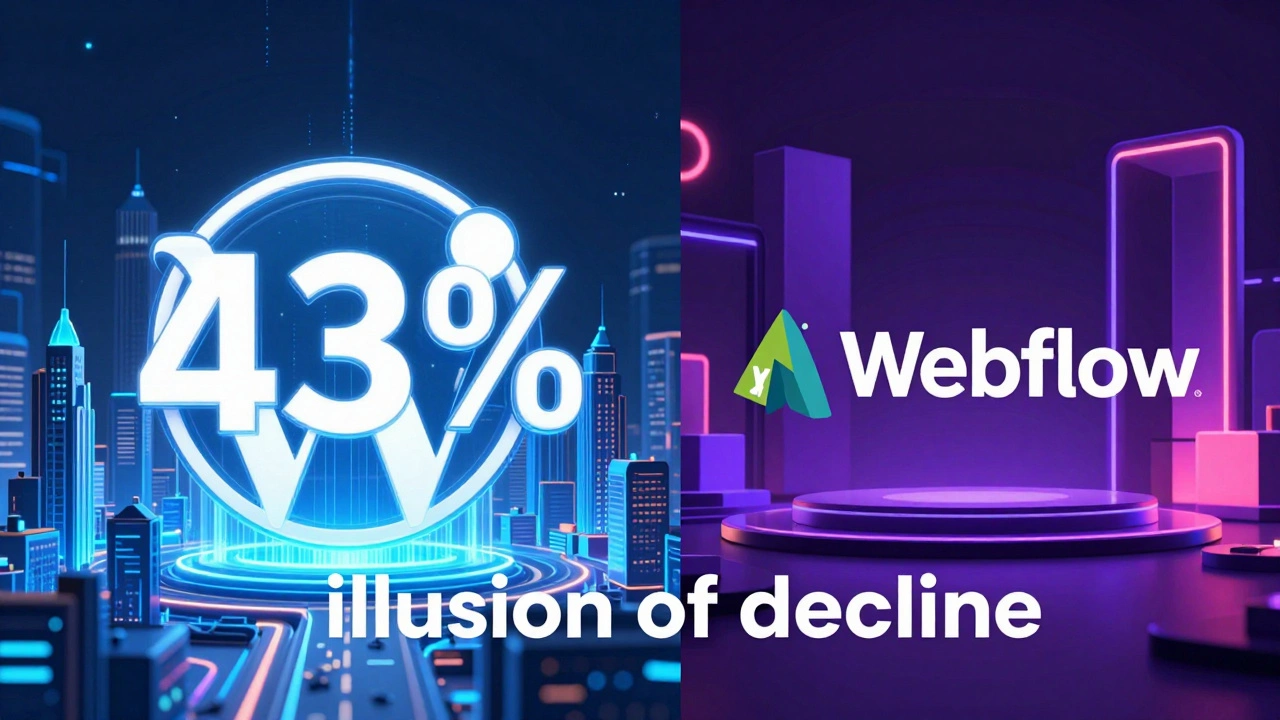
Let’s look at the cold, hard numbers for mid-2026. WordPress still powers roughly 43% of the entire internet. That number has been remarkably stable since 2019. It hasn’t skyrocketed, but it certainly hasn’t collapsed. So, why does it *feel* like WordPress is losing its crown? The answer isn’t that people are leaving; it’s that the landscape around them has changed.
The Illusion of Decline
To understand if WordPress is losing popularity, we first have to define what "popularity" means. If you measure by total websites created, WordPress is still the undisputed king. However, if you measure by venture capital funding, developer hype, or enterprise adoption rates, the story looks different.
In 2026, the conversation has shifted from "building a blog" to "building an experience." Newer platforms like Webflow, a visual web design tool that allows users to create responsive websites without coding and Shopify, an e-commerce platform that enables businesses to set up online stores and manage sales have carved out massive niches. They aren't killing WordPress; they are solving specific problems better than WordPress can out-of-the-box.
This creates a perception gap. When a high-growth startup chooses Webflow for its landing page, tech blogs scream "The End of WordPress!" Meanwhile, millions of small businesses, local restaurants, and personal bloggers continue to use WordPress because it works, it’s cheap, and it’s familiar. The noise is loud, but the foundation is solid.
Who Is Actually Leaving?
If WordPress is losing users, where are they going? The migration patterns in 2026 tell a clear story. We aren't seeing a mass exodus of casual bloggers. Instead, we see three distinct groups moving away:
- E-commerce Brands: Many mid-sized stores have migrated from WooCommerce to Shopify or BigCommerce. Why? Because managing inventory, shipping zones, and payment gateways is less of a headache on dedicated platforms. WooCommerce remains powerful, but the barrier to entry for non-technical store owners is higher.
- Design Agencies: Agencies that prioritize unique, award-winning designs often switch to Webflow or Framer. These tools offer tighter integration between design and development, allowing for animations and layouts that require heavy custom coding in WordPress.
- High-Traffic Publishers: Large news outlets and media companies sometimes move to headless CMS solutions or proprietary stacks built on React or Next.js. They need speed and scalability that traditional WordPress architectures struggle to provide without significant engineering resources.
For the average user-the freelancer, the hobbyist, the small business owner-WordPress remains the default choice. There is no simpler alternative that offers the same level of content flexibility and plugin ecosystem.

The Rise of Headless and Static Sites
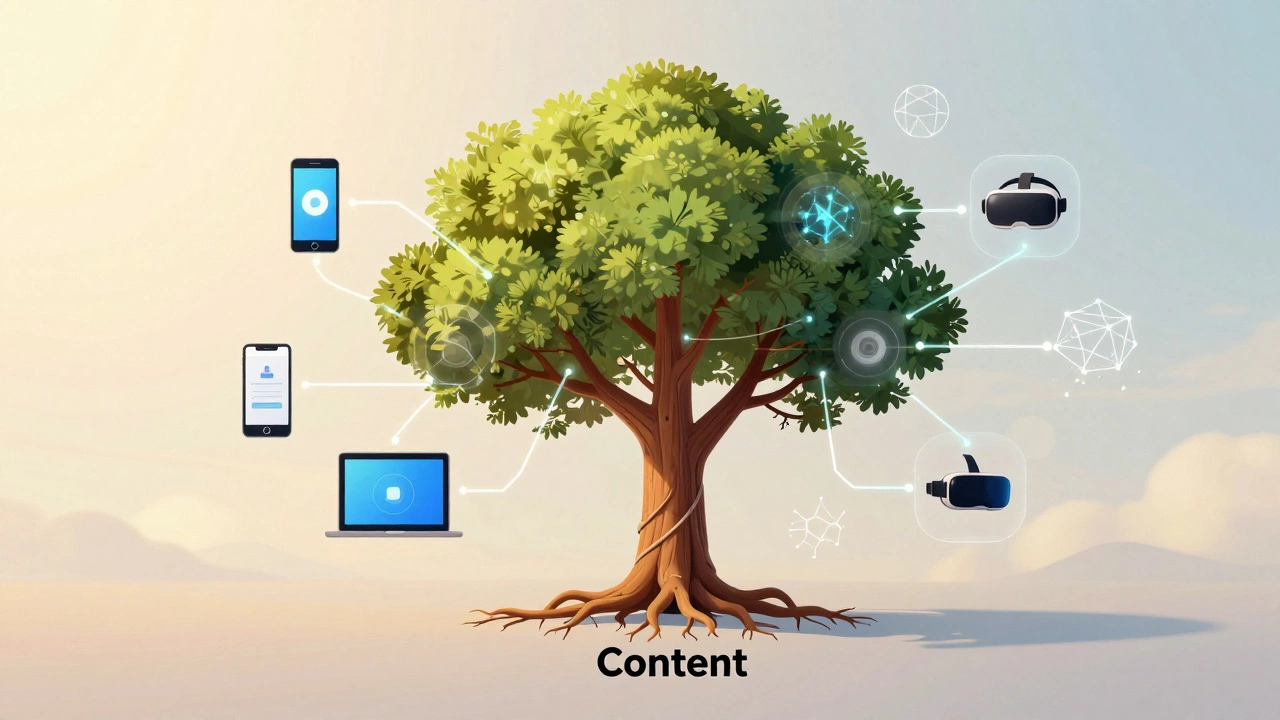
A major factor in the "WordPress is dead" narrative is the rise of headless architecture. In this model, the backend (where you write content) is separated from the frontend (what the user sees). Tools like Contentful, a headless CMS that delivers content to any device via API and Sanity.io, a structured content platform that provides real-time collaboration and flexible content modeling are gaining traction among developers.
Does this mean WordPress is obsolete? Not necessarily. WordPress itself has adapted. With the introduction of Full Site Editing (FSE) and improved REST APIs, WordPress can now function as a headless CMS. However, the learning curve is steep. For many developers, setting up a fresh WordPress instance just to serve JSON data feels like overkill compared to lightweight alternatives.
This shift highlights a key trend: specialization. General-purpose platforms like WordPress are facing pressure from specialized tools that do one thing exceptionally well. This doesn't kill the generalist, but it does shrink its dominance in premium segments.
Security and Maintenance Fatigue
One reason users leave WordPress isn't feature-related-it's maintenance-related. In 2026, security threats are more sophisticated than ever. WordPress, being open-source and widely used, is a primary target for hackers.
Many users abandon WordPress not because they dislike it, but because they are tired of updating plugins, patching vulnerabilities, and dealing with downtime. Managed WordPress hosting providers like WP Engine and Kinsta have mitigated this issue, but they come at a higher price point. For budget-conscious users, the trade-off between cost and convenience often leads them to all-in-one builders like Wix or Squarespace, which handle security automatically.
This "maintenance fatigue" is a silent killer of WordPress adoption. It doesn't show up in dramatic migration stories, but it prevents new users from choosing WordPress in the first place. They want simplicity, and while WordPress has gotten simpler, it still requires more technical oversight than closed-source alternatives.
| Platform | Best For | Learning Curve | Cost (Monthly) | Flexibility |
|---|---|---|---|---|
| WordPress.org | Blogs, Business Sites, E-commerce | Medium | $5 - $30 (Hosting) | Very High |
| Webflow | Design Agencies, Portfolios | Steep | $14 - $39 | High (Visual) |
| Shopify | E-commerce Stores | Low | $29 - $299 | Medium |
| Wix | Small Businesses, Personal Sites | Low | $17 - $35 | Low |
| Ghost | Publishers, Newsletters | Medium | $9 - $199 | Medium |
The SEO Advantage Remains
Despite the noise, WordPress retains a critical advantage: Search Engine Optimization (SEO). Google loves clean code, fast loading times, and structured data-all of which WordPress can deliver with the right setup. Plugins like Yoast SEO and Rank Math have made it easy for non-experts to optimize their content.
Newer platforms are catching up, but WordPress has a decade-long head start in terms of community knowledge. If you have an SEO problem, there is likely a forum post, tutorial, or plugin solution already available. This ecosystem effect keeps WordPress relevant for anyone serious about organic traffic.
Future Outlook: Adaptation Over Obsolescence
So, is WordPress losing popularity? In absolute terms, no. In relative terms, yes-but only in specific sectors. The platform is evolving from a "blogging tool" into a comprehensive content management system that competes with enterprise-level solutions.
The future of WordPress lies in its ability to integrate with modern tech stacks. As AI-driven content creation becomes standard, WordPress plugins that leverage AI for writing, image generation, and customer support will keep the platform fresh. The key is not to fight the change but to embrace it.
For most users, WordPress remains the best balance of power, affordability, and ease of use. While niche players may steal headlines, the workhorse of the web continues to carry the load.
Is WordPress still worth learning in 2026?
Yes, absolutely. With over 40% of the web running on WordPress, there is consistent demand for developers, designers, and marketers who know the platform inside out. Its flexibility ensures it won't disappear anytime soon.
What is the best alternative to WordPress for beginners?
For absolute beginners who want zero technical hassle, Wix or Squarespace are excellent choices. They offer drag-and-drop interfaces and handle all hosting and security updates for you.
Why do some agencies prefer Webflow over WordPress?
Agencies often choose Webflow for its visual editing capabilities and cleaner code output. It allows designers to build complex, animated layouts without relying heavily on third-party plugins, resulting in faster, more secure sites.
Is WordPress safe from hackers in 2026?
No software is 100% immune, but WordPress is very secure when maintained properly. Using managed hosting, keeping plugins updated, and employing security plugins significantly reduces risk. Most breaches result from outdated, neglected installations.
Can I migrate my WordPress site to another platform easily?
Migration difficulty depends on the destination. Moving to similar CMS platforms is relatively straightforward using import tools. However, moving to highly customized platforms like Webflow may require manual redesign and content restructuring.