
Influencer Earnings Calculator
Pick your niche and audience size to see the market rate range, then add engagement and extra income sources for a realistic annual projection.
Extra Income Streams (monthly)
| Niche | 10k–50k | 100k–500k | 1M+ |
|---|
Ever wondered who actually makes the most money from their phone camera in India? It’s not always the person with the biggest follower count. In fact, engagement rates and brand loyalty often matter more than raw numbers when it comes to bank balance. As of mid-2026, the landscape of Indian bloggers and content creators has shifted dramatically. We are no longer just looking at Instagram models; we are seeing tech reviewers, fitness coaches, and lifestyle vloggers commanding fees that rival traditional celebrities.
The title question-"Who is the highest paid influencer?"-doesn’t have a single static answer because deals change monthly. However, a few names consistently top the charts for net worth and annual income. This article breaks down the current leaders, how they make their money, and what you can learn from their strategies if you are building your own personal brand.
The Current Leaders: Who Holds the Top Spot?
When we look at verified earnings reports and public deal disclosures from 2025 and early 2026, three names dominate the conversation. They represent different niches but share one thing: massive commercial appeal.
- Amitabh Bachchan: While primarily an actor, his transition into full-time digital endorsements has made him a top earner. His authority in the "wisdom" niche allows brands to pay premium rates for short-form video spots.
- Karan Wahi: The king of comedy skits on Instagram Reels. With over 100 million followers, his ability to integrate products seamlessly into humor keeps CPMs (Cost Per Mille) high.
- Gaurav Chaudhary: A fitness and lifestyle creator who moved beyond simple posts to launch his own supplement line. This vertical integration boosts his total income significantly beyond ad revenue.
It is important to note that "highest paid" can mean two things: highest per-post fee or highest total annual income. Karan Wahi might charge $50,000 for a single Reel, but Gaurav Chaudhary might earn more annually due to product sales and long-term ambassadorships.
How Do They Actually Make Money?
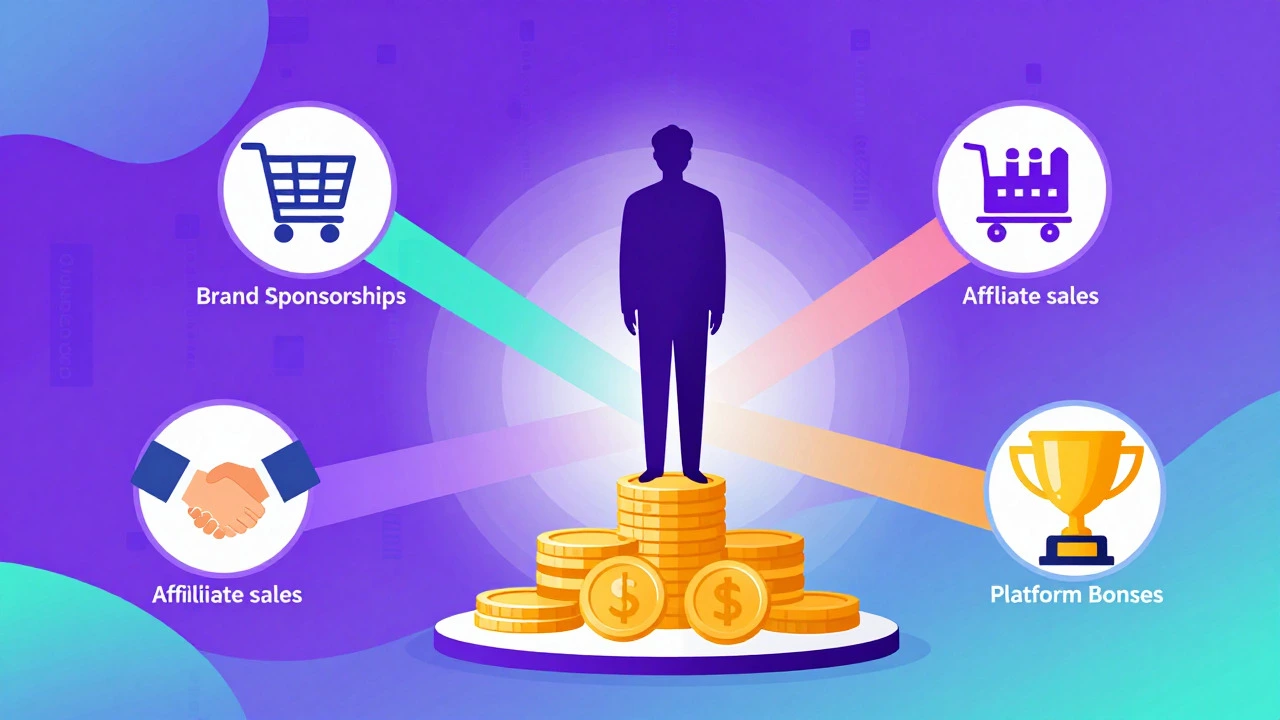
Many people assume influencers only get paid by brands. That is outdated. The modern Influencer Economy relies on a diversified income stack. Understanding this helps you see why some creators stay rich even when ad rates drop.
- Brand Sponsorships: This is the bread and butter. A single post on Instagram can cost anywhere from $1,000 to $100,000 depending on reach and niche. Tech and finance niches typically pay 2x to 3x more than fashion or travel because their customer lifetime value is higher.
- Affiliate Marketing: Creators use unique links to sell products. If you buy a book through their link, they get a commission. For top-tier creators, this passive stream can generate millions annually without them posting a single new piece of content.
- Own Products: This is the game changer. When an influencer launches their own clothing line, skincare brand, or course, they keep 100% of the profit margin. This is why the gap between average earners and top earners is so wide.
- Platform Bonuses: YouTube and Instagram occasionally offer performance bonuses or revenue sharing. While not guaranteed, these add up for creators with billions of views.
Niche Matters More Than Followers
You might be thinking, "I need a million followers to make real money." Not necessarily. Let’s look at the data. A micro-influencer in the B2B SaaS space with 50,000 highly targeted followers can charge more per post than a lifestyle influencer with 500,000 general audience members.
| Niche | 10k-50k Followers | 100k-500k Followers | 1M+ Followers |
|---|---|---|---|
| Tech & Finance | $500 - $2,000 | $5,000 - $15,000 | $20,000 - $75,000 |
| Fashion & Beauty | $300 - $1,000 | $3,000 - $10,000 | $15,000 - $50,000 |
| Comedy & Entertainment | $200 - $800 | $2,000 - $8,000 | $10,000 - $40,000 |
| Fitness & Health | $400 - $1,500 | $4,000 - $12,000 | $15,000 - $60,000 |
Notice the spread. Tech and Finance command the highest premiums. Why? Because brands selling software or investment apps want users who are ready to spend. Comedy is broader, which means lower conversion rates, hence lower fees per view.
The Role of Engagement in Pricing
Brands don't just buy eyes; they buy attention. An influencer with 1 million followers but only 1% engagement (10,000 likes/comments) is less valuable than one with 200,000 followers and 8% engagement (16,000 interactions).
Here is a rule of thumb used by many marketing agencies in India:
- Low Engagement (<2%): Expect to negotiate hard. Brands will discount rates by 20-30%.
- Healthy Engagement (2-5%): Standard market rates apply.
- High Engagement (>5%): You have leverage. Charge a premium of 20-50% above standard rates.
This is why smaller creators often feel frustrated. They work harder for fewer dollars because they haven't optimized their engagement rate yet. Focusing on community building rather than just viral hits is the key to unlocking higher price tags.
Challenges Facing Top Earners
Being the highest paid isn't all champagne and private jets. There are significant hurdles.
- Tax Compliance: In India, influencer income is taxable. Many top creators now hire dedicated tax consultants to manage GST and income tax on international deals. Failure to do so can lead to audits and penalties.
- Burnout: Maintaining a daily posting schedule while managing business operations leads to mental fatigue. Many top creators now hire teams of editors, managers, and assistants.
- Algorithm Changes: One day, Instagram changes its algorithm, and your reach drops by 50%. Diversifying across platforms (YouTube, LinkedIn, WhatsApp Channels) mitigates this risk.
Smart creators treat their influence as a business, not a hobby. They build systems that allow them to scale without burning out.
Lessons for Aspiring Creators
If you are starting out, don't copy the giants. Instead, study their foundations.
- Pick a Specific Niche: Don't be a "lifestyle" blogger. Be a "sustainable living in urban India" blogger. Specificity attracts loyal audiences and higher-paying sponsors.
- Build an Email List: Social media algorithms change. Your email list is yours forever. Start collecting emails from day one.
- Create Original Content: Reels and Shorts are great for discovery, but long-form videos and blog posts build depth and trust. Trust converts to sales.
- Network with Peers: Collaborations expose you to new audiences. Find creators with similar audience sizes but different niches for cross-promotion.
The path to becoming a top earner is rarely linear. It involves consistent effort, strategic pivots, and treating your personal brand with the same seriousness as a corporate entity.
Future Trends in Influencer Pay
Looking ahead to late 2026 and beyond, we expect several shifts.
- AI Integration: Creators using AI tools for editing and analytics will likely command higher rates due to increased efficiency and output quality.
- Micro-Influencer Rise: Brands are shifting budgets away from mega-stars toward networks of micro-influencers for better ROI. This means more opportunities for mid-tier creators.
- Performance-Based Deals: Instead of flat fees, more contracts will include performance bonuses tied to actual sales generated. This aligns incentives between the brand and the creator.
The definition of success is evolving. It’s no longer just about fame; it’s about financial sustainability and impact.
What is the average salary of an influencer in India?
There is no fixed salary. Most influencers are freelancers. Entry-level creators with under 10k followers might earn $50-$200 per post. Mid-tier creators (100k-500k) can earn $1,000-$5,000 per post. Top-tier creators with 1M+ followers can charge $10,000 to $100,000+ per post, plus affiliate commissions and product sales.
Do influencers pay taxes in India?
Yes. All income earned from sponsorships, affiliates, and products is taxable under Income Tax Act rules. If your turnover exceeds certain thresholds, you may also need to register for GST. It is highly recommended to consult a chartered accountant specializing in digital media.
Which platform pays influencers the most?
Instagram and YouTube currently offer the highest direct monetization options and brand deal visibility. However, LinkedIn is emerging as a high-value platform for B2B influencers, where CPMs can be significantly higher than consumer-facing platforms.
Can I become a full-time influencer without a large following?
Yes, if you focus on a high-value niche like finance, tech, or B2B services. A focused audience of 20,000 engaged professionals can generate more revenue than a general audience of 200,000 casual scrollers. Quality of audience matters more than quantity.
How do brands decide who to hire?
Brands look at three main factors: Audience alignment (do your followers match their target customer?), Engagement rate (are people actually interacting?), and Past performance (have they worked with other brands successfully?). Always maintain a media kit with these metrics ready.