
Marco Polo's Journey Simulator
Journey Log
- Start your journey...
When we think of Marco Polo, we usually picture him wandering through the streets of Beijing or marveling at the Great Wall. But did you know he also set foot in India? His journey wasn’t just about mapping trade routes; it was about witnessing a civilization so rich in diversity that it left even seasoned travelers speechless. If you’re looking for inspiration from the past, his observations might just spark something new in you.
Marco Polo arrived in India during the late 13th century, a time when the subcontinent was ruled by various kingdoms. He didn’t write extensively about India compared to China, but what he did record offers fascinating glimpses into daily life, governance, and spirituality. For those who love inspirational quotes rooted in real experiences, his accounts serve as timeless reminders of curiosity and resilience.
The First Impressions: A Land of Contrasts
Imagine stepping off a ship after months at sea, only to be greeted by bustling markets filled with spices, silk, and stories. That’s exactly what Marco Polo encountered when he first reached the Malabar Coast. The air smelled of cardamom and cloves, while merchants haggled over prices in languages he barely understood yet somehow connected with. It wasn’t just commerce-it was culture on full display.
He described cities like Calicut (modern-day Kozhikode) as hubs of activity where people from all walks of life mingled freely. Merchants from Arabia, Africa, and Southeast Asia traded goods alongside local artisans crafting intricate jewelry and textiles. This blend of cultures reminded him of Venice back home but amplified tenfold. You can almost hear the chatter echoing through narrow alleys today if you visit these historic towns.
| Aspect | Description |
|---|---|
| Markets | Bustling centers of trade featuring exotic goods like spices, gems, and fabrics. |
| People | Diverse communities living harmoniously despite differences in language and religion. |
| Governance | Efficient systems under rulers who prioritized fairness and justice. |
| Spirituality | A deep connection to faith reflected in temples, rituals, and philosophical teachings. |
Life Under the Kings: Lessons in Leadership
One thing stood out to Marco Polo-the way kings governed their domains. In places like Delhi and Bengal, leaders maintained order without resorting to excessive force. They relied on wise counselors and fair laws to keep peace among diverse populations. Think about how relevant this is today! Leaders around the world could learn a lot from such balanced approaches.
For instance, he noted that disputes were often resolved through dialogue rather than punishment. Villagers brought grievances directly to local authorities, ensuring transparency and trust within society. These principles align closely with modern ideas of good governance and community building. Wouldn’t it be amazing if every leader embraced similar values?
Spiritual Wonders: Temples and Teachings
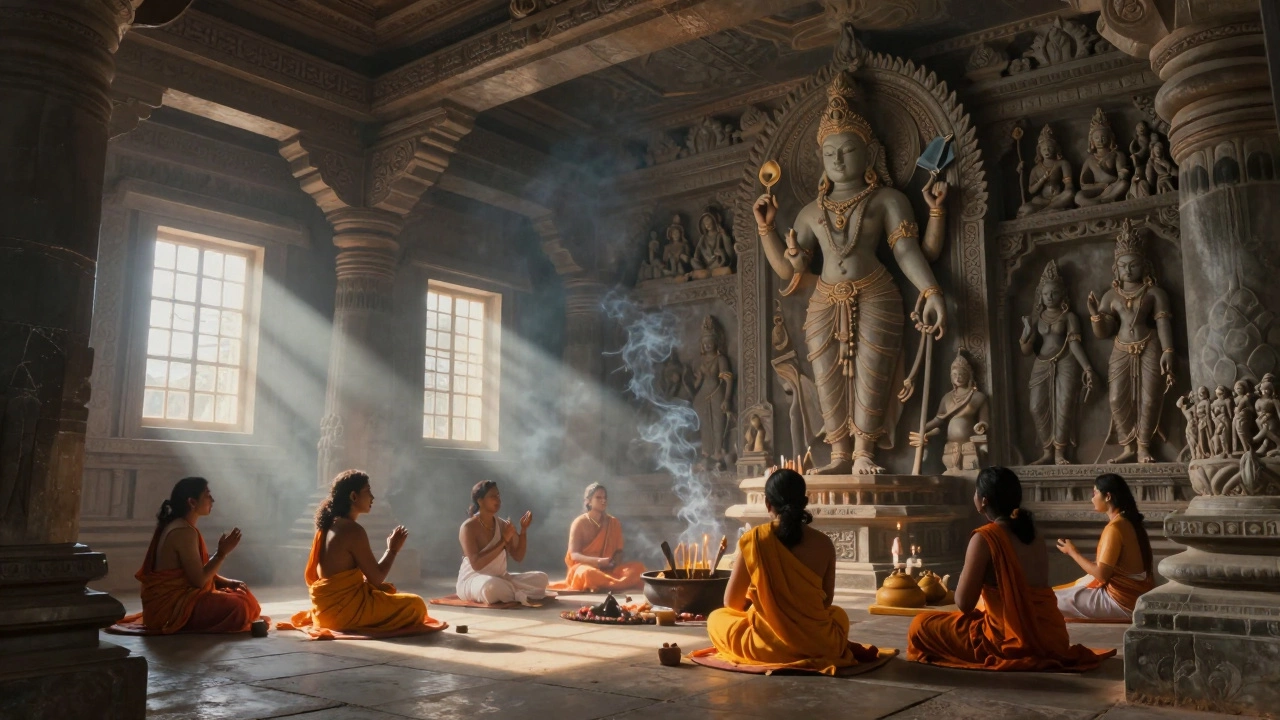
If there’s one aspect of India that truly captivated Marco Polo, it was its spiritual depth. From grand temples adorned with carvings depicting gods and goddesses to quiet ashrams nestled amidst lush forests, he saw countless examples of devotion. One particular story involves visiting a temple dedicated to Vishnu, where priests performed elaborate ceremonies involving music, dance, and offerings.
But beyond rituals, he admired the underlying philosophy guiding everyday actions. Many Indians practiced non-violence and compassion toward others, regardless of status or background. Such ideals resonate deeply with universal truths found across religions and belief systems. Perhaps this is why millions still draw inspiration from ancient texts originating here.
Trade Routes: Connecting Continents
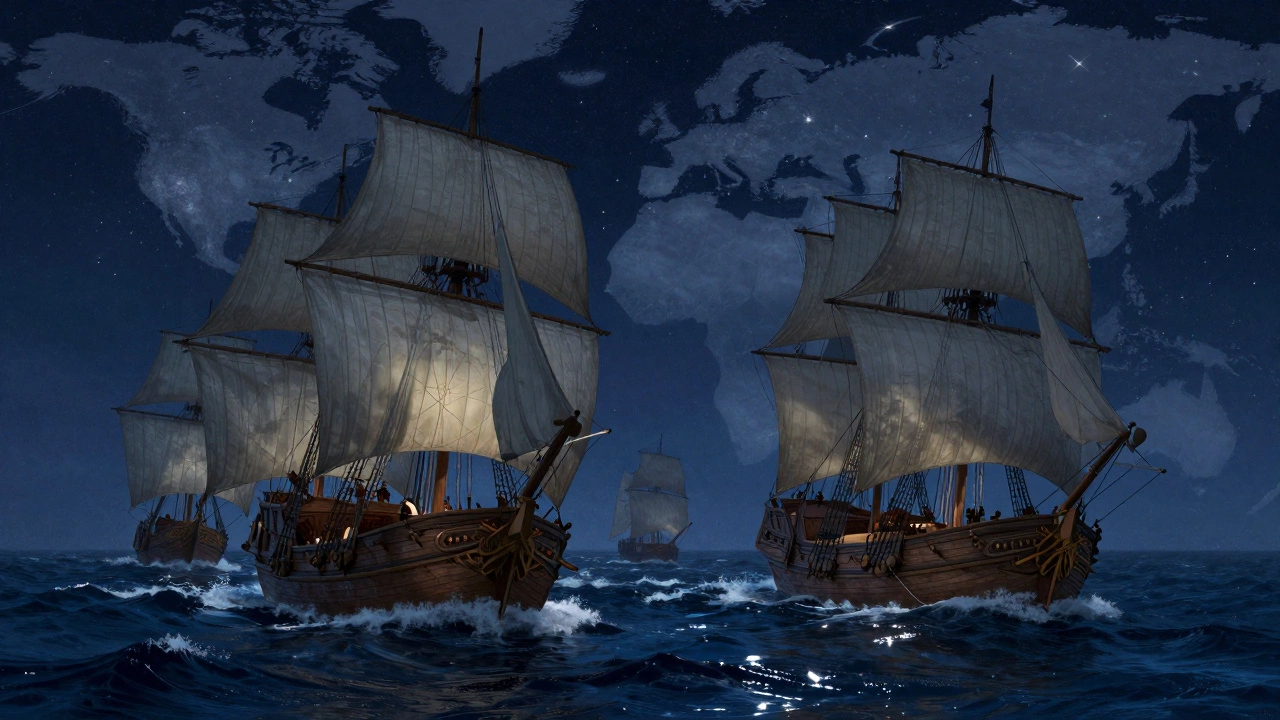
India wasn’t isolated during Marco Polo’s era-it served as a vital link between East and West via maritime trade networks. Ships carrying pepper, cinnamon, and other valuable commodities sailed regularly between ports along the coast and destinations far away. This interconnectedness allowed knowledge, art, and technology to flow seamlessly across borders.
Consider how globalization works now-goods produced in one country end up being consumed elsewhere thanks to efficient supply chains. Back then, however, everything depended on human effort and natural resources. Sailors navigated treacherous waters using stars and wind patterns alone. Their courage inspires us to push boundaries and explore unknown territories.
Lessons We Can Still Learn Today
So, what can we take away from Marco Polo’s experience in India? First, embrace diversity instead of fearing it. Second, prioritize fairness and empathy in leadership roles. Third, never stop seeking wisdom from different sources. Finally, remember that progress comes not from isolation but collaboration.
These lessons aren’t confined to history books-they apply equally well to our lives today. Whether you’re starting a business, raising children, or simply trying to make sense of the world, drawing insights from figures like Marco Polo helps broaden your perspective. After all, isn’t growth fueled by learning from those who came before us?
Did Marco Polo actually visit India?
Yes, historical records confirm that Marco Polo traveled to several parts of India, including regions near present-day Kerala and Tamil Nadu. While his writings focus more heavily on China, they do mention significant stops along the Indian coastline.
What inspired Marco Polo to travel to India?
His primary motivation was exploring potential trade opportunities. However, personal curiosity played a huge role too-he wanted to understand foreign lands and cultures firsthand.
How accurate are Marco Polo’s descriptions of India?
While some details may have been exaggerated due to translation issues or memory lapses, overall, his accounts provide credible insights into medieval Indian society based on archaeological evidence and corroborating sources.
Why should I care about Marco Polo’s travels?
Understanding historical journeys enriches our appreciation for cultural exchange and global connectivity. Plus, reading about adventurers like Marco Polo encourages us to step outside comfort zones and seek new horizons.
Are there any famous quotes attributed to Marco Polo regarding India?
Though no direct quotes exist specifically about India, passages describing its beauty and complexity inspire readers worldwide. Phrases highlighting wonder and discovery reflect broader themes applicable to anyone pursuing meaningful goals.