Indian Spiritual Moments Generator
Discover India's Quiet Spirituality
India doesn't need grand temples to reveal its spiritual essence. Spirituality lives in everyday moments—when a woman lights a lamp before leaving home, when a child touches an elder's feet, or when someone pauses to let a cow cross the road. This tool generates meaningful spiritual practices from Indian culture that you can incorporate into your own life.
Light a Lamp Before You Leave
As you step out of your home, light a small lamp or candle. It's not about illumination—it's about marking your intention to go out with respect for life's sacredness. The light symbolizes your commitment to carry kindness with you.
Generate a Moment
Inspired by the article: "What Makes India Very Special? The Quiet Magic in Its Everyday Moments"
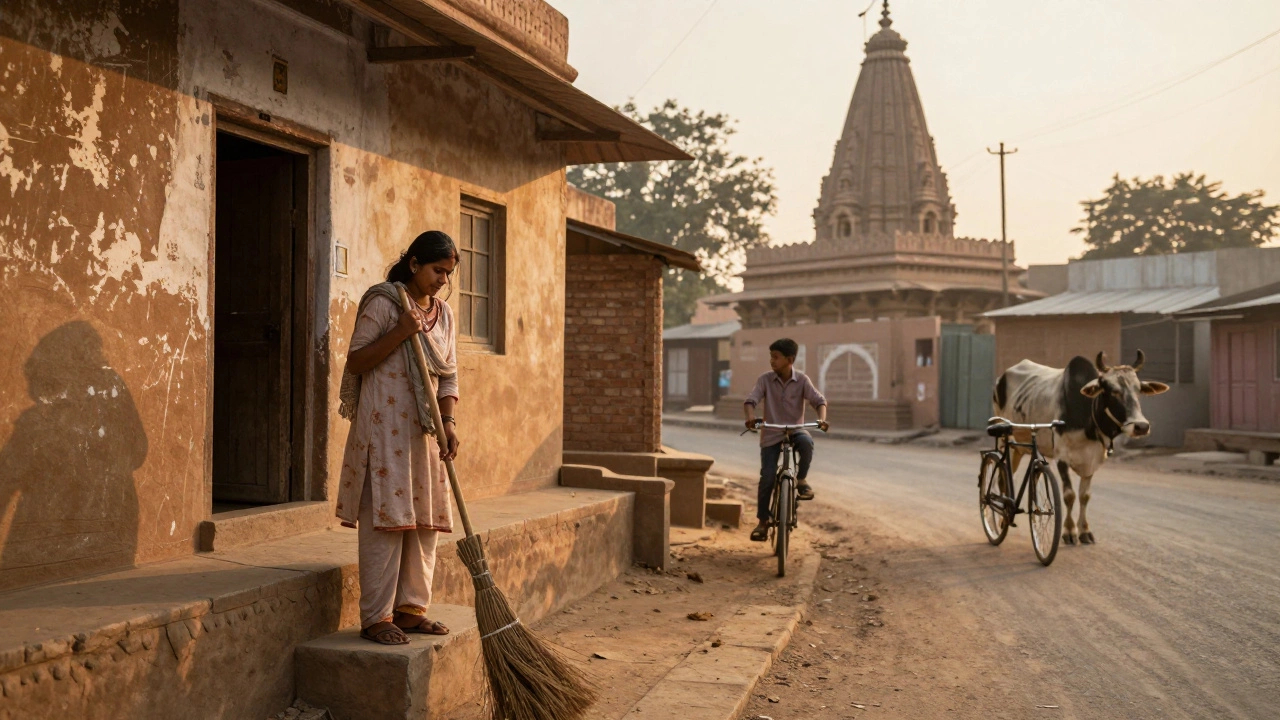
India doesn’t shout its magic. It doesn’t need billboards or hashtags to prove it’s extraordinary. Walk into a small town in Rajasthan at dawn, and you’ll see a woman sweeping the steps of her home with a broom made of twigs, humming an old folk tune. A few meters away, a boy in a torn shirt rides a bicycle past a temple with peeling paint, holding a half-eaten chapati. A cow wanders lazily across the road. No one rushes. No one complains. This isn’t chaos. This is rhythm.
The Weight of Silence
Most places measure progress by speed. India measures it by depth. You won’t find a single story here. You’ll find thousands-stacked like layers of silk in a Varanasi market, each thread a different color, a different voice, a different belief. In a single village, you might hear Sanskrit prayers, Hindi folk songs, Tamil poetry, and Punjabi folk dances-all happening at the same time. Not as a performance. As life.
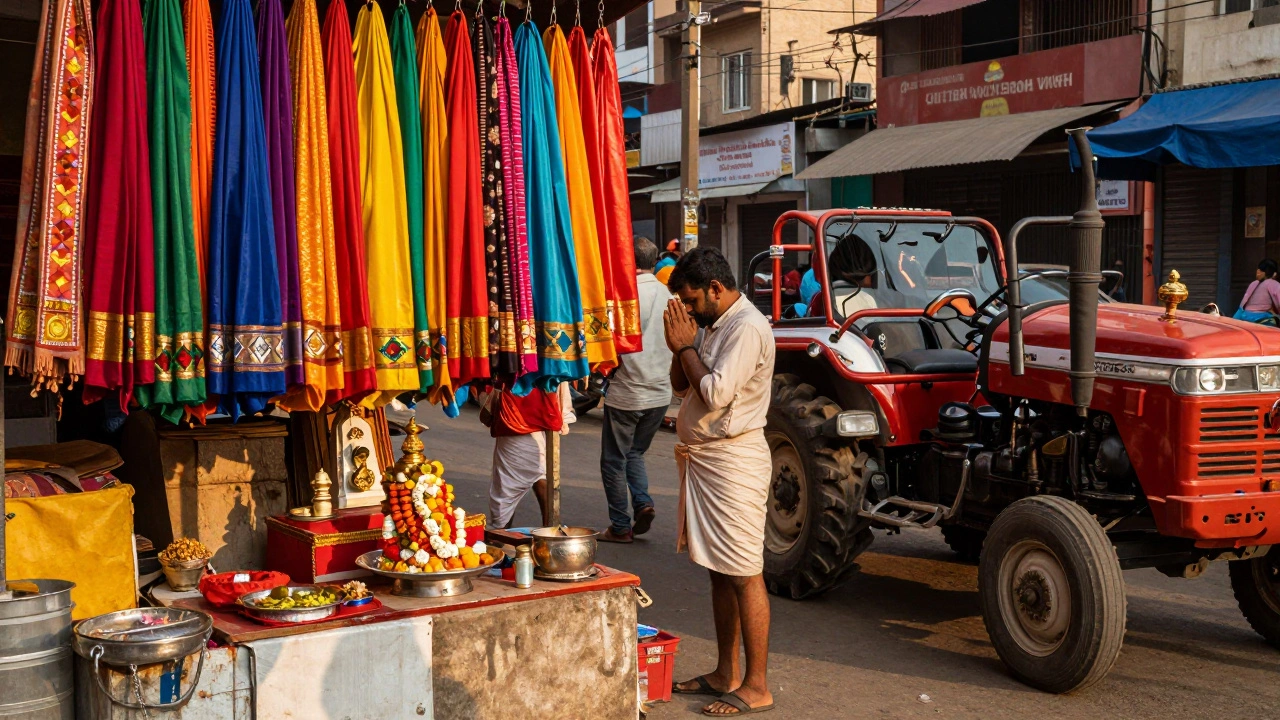
There’s a quiet truth here: India doesn’t need to be perfect to be powerful. It’s messy. It’s loud. It’s unpredictable. And that’s why it holds so much meaning. When you see a man in a dhoti praying at a roadside shrine while a tractor honks behind him, you realize something: devotion doesn’t wait for quiet. It finds space in the noise.
Family Isn’t a Word. It’s a System.
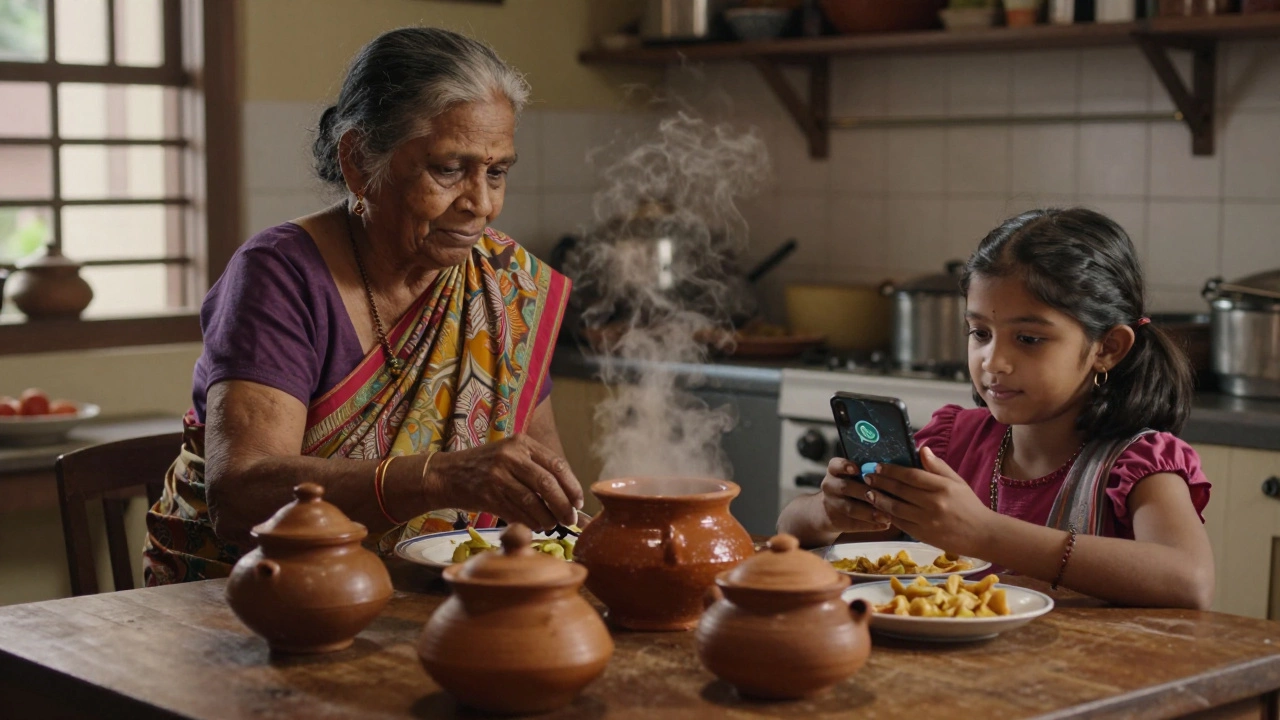
In many countries, family means your parents and siblings. In India, family means your aunt’s cousin’s neighbor’s grandmother. It means shared meals, shared worries, shared silence. A grandmother in Kerala will cook for ten people even if only three show up. Why? Because food is love. And love doesn’t count heads. It multiplies.
There’s no such thing as "just me" here. Even when someone leaves home for a job in Bangalore or London, they carry their family in their pocket-like a photo tucked into a wallet, or a prayer whispered before sleep. You’ll hear it in the way someone says, "Mummy called again," with a smile that says, "I didn’t want to answer, but I had to." That’s not obligation. That’s belonging.
The Gods Are Everywhere. And So Are the People.
You can’t walk ten steps in India without seeing a god. Not just in temples. On walls. In street corners. On bus windows. A painted image of Ganesha on a scooter. A small shrine under a tree where someone left a flower and a candle. A woman lighting incense in a hospital corridor.
It’s not about religion. It’s about presence. The divine isn’t kept behind gates. It’s in the air. In the smell of marigolds. In the sound of temple bells mixing with traffic. In the way a child touches a stranger’s foot before crossing the road-not out of fear, but out of habit. A habit of reverence.
And yet, people here don’t live in fear of the gods. They live with them. They argue with them. They thank them. They curse them. And still, they come back. Because in India, spirituality isn’t about being good. It’s about being real.
Change Moves Slowly. But It Moves.
India doesn’t do quick fixes. It does slow rewiring. A girl in a village in Bihar learns to read because her older brother taught her after school. Five years later, she’s teaching other girls. Ten years later, she starts a small library in her home. No NGO. No grant. Just persistence.
That’s how things change here. Not with protests or press releases. With quiet courage. A teacher who stays after hours. A mother who saves rupees for her daughter’s books. A mechanic who fixes a broken bicycle for free because he remembers when someone did the same for him.
Progress here doesn’t look like startups or apps. It looks like a woman in a sari teaching herself English from a secondhand textbook. It looks like a young man in Chennai coding an app to help rickshaw drivers get paid digitally. It looks like a grandmother who taught herself to use WhatsApp just so she could see her granddaughter’s birthday video.
The Food Doesn’t Just Feed You. It Remembers You.
Indian food isn’t a menu. It’s a memory. A plate of dal-chawal in a Delhi home tastes different than in a Mumbai flat. Why? Because the same recipe carries different hands. Different voices. Different stories.
Every spice has a history. Turmeric isn’t just yellow. It’s what your mother rubbed on your skin when you were sick. Cumin isn’t just a flavor. It’s what your grandfather toasted every morning before prayer. Chili isn’t heat. It’s passion. Cardamom isn’t fragrance. It’s comfort.
And the way food is shared? That’s the real miracle. You don’t ask if someone is hungry. You just put another plate on the table. Even if you’re broke. Even if you’re tired. Even if you’ve eaten nothing yourself all day. Because here, hunger isn’t just physical. It’s emotional. And food? Food is the answer.
Why It’s Special
India doesn’t make sense on paper. It’s too big. Too loud. Too old. Too poor. Too rich. Too chaotic. Too spiritual. Too practical.
But that’s why it’s special.
It’s the place where a beggar on a train gives his last coin to a crying child. Where a businessman in Mumbai skips lunch to help a stranger find his way. Where a teenager in Assam writes poetry in her notebook while her parents argue about bills. Where a monk in Varanasi smiles at a tourist and says, "You’re not lost. You’re just late."
India doesn’t offer you answers. It offers you questions. And in those questions, you find yourself.
You don’t visit India to understand it. You visit to remember something you forgot.
Why do people say India is spiritual?
Because spirituality here isn’t confined to temples or monks. It’s in the way people light a lamp before leaving home, how they touch the feet of elders, how they pause before crossing a road to let a cow pass. It’s in the quiet moments-when a woman sings a lullaby to her sleeping child, or a man sits alone on a rooftop watching the sunset without a phone. Spirituality in India isn’t about belief. It’s about habit. And habit becomes sacred.
Is India’s diversity a strength or a problem?
It’s both. And that’s the point. India has over 22 official languages, thousands of dialects, hundreds of festivals, and dozens of religions. That sounds like a recipe for division. But instead, it’s become a living system of coexistence. People don’t wait for others to change. They learn to live beside them. A Hindu family might serve Eid sweets to their Muslim neighbors. A Christian school might celebrate Diwali. It’s not tolerance. It’s integration. And that’s rare.
Why do Indians seem so patient?
It’s not patience. It’s endurance shaped by history. For centuries, India’s people learned that waiting was part of survival. Waiting for rain. Waiting for justice. Waiting for change. Over time, waiting became a form of strength-not resignation. It’s why you’ll see someone sit for hours at a government office, smiling, without yelling. They’re not passive. They’re persistent. And they know: things move slowly here, but they move.
Can you really understand India if you’re not born here?
You don’t need to be born here to understand it. You just need to be willing to feel it. India doesn’t explain itself. It invites you to sit quietly and watch. Listen to the laughter in a crowded train. Notice how a mother holds her child’s hand tighter when crossing the street. Watch how strangers help each other without being asked. You won’t get it from a guidebook. You’ll get it from the silence between the noise.
What’s the biggest myth about India?
That it’s all poverty and chaos. Yes, there’s struggle. But there’s also innovation. A woman in Odisha runs a solar-powered laundry business. A teenager in Hyderabad built a water purifier from recycled plastic. A retired teacher in Kerala started a free online school for rural kids. India’s real story isn’t in the headlines. It’s in the quiet corners-where people refuse to wait for someone else to fix things.