Indian Life Stage & Dharma Calculator
Enter your approximate age and select your primary current focus to discover your Ashrama.
-
Brahmacharya (Student)Learning
-
Grihastha (Householder)Duty
-
Vanaprastha (Retirement)Wisdom
-
Sannyasa (Renunciation)Freedom
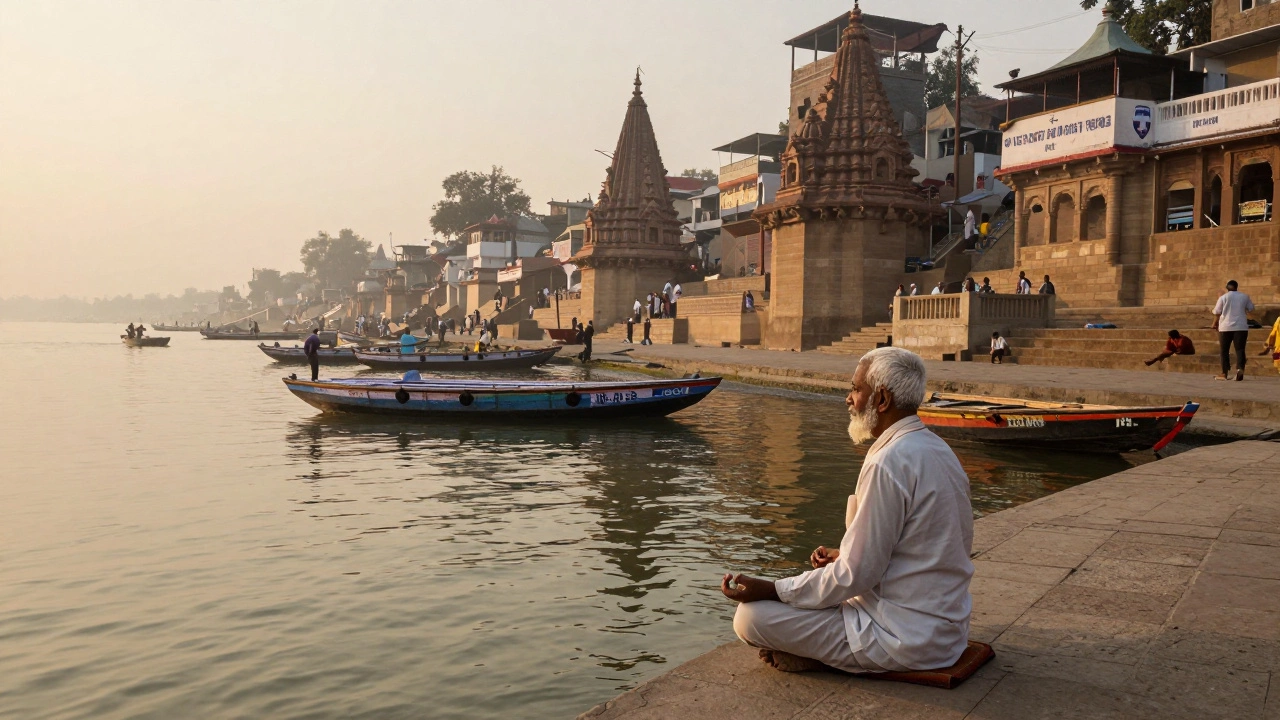
Walking through a bustling market in Delhi or sitting quietly on the banks of the Ganges in Varanasi, you might notice something that doesn't quite fit into Western boxes. It is not just about religion, nor is it strictly about politics. It is a rhythm. The Indian way of life is often misunderstood as a monolith, but it is actually a complex tapestry woven from ancient philosophy, social duty, family bonds, and spiritual pursuit. For millions, living this way isn't about following a rulebook; it is about finding balance between the material world and the eternal soul.
If you have ever wondered why Indians seem so resilient during crises or why family gatherings can last for days without anyone checking their phones, the answer lies here. This lifestyle is built on concepts like Dharma, which translates roughly to duty or righteousness, and Seva, or selfless service. These are not just words found in textbooks; they are the operating system of daily life for many.
The Core Pillar: Understanding Dharma
At the heart of the Indian worldview is Dharma. Unlike laws written by governments, Dharma is an internal moral compass. It dictates how you should act based on your role in society and your stage in life. If you are a parent, your Dharma is to nurture and guide. If you are a student, your Dharma is to learn with humility.
This concept removes the anxiety of "finding yourself" in the Western sense. Instead, you find yourself by fulfilling your responsibilities. When you do your job well, treat your neighbors with respect, and care for your elders, you are living in alignment with Dharma. It creates a sense of stability. In a world that changes rapidly, knowing your Dharma gives you an anchor. It explains why many Indians prioritize community harmony over individual expression-they believe that the health of the whole depends on the integrity of each part.
The Four Stages of Life: Ashrama System
Traditional Indian thought divides life into four stages, known as the Ashrama system. While modern urban life has blurred these lines, the underlying expectations still shape behavior.
- Brahmacharya (Student Stage): This is the time for learning. Discipline is key. Young people are expected to focus on education and character building, often living with parents to absorb values.
- Grihastha (Householder Stage): This is the most common stage today. It involves marriage, career, raising children, and contributing to society. It is the engine of economic and social stability.
- Vanaprastha (Retirement Stage): Traditionally, this meant withdrawing from worldly affairs. Today, it looks like grandparenting, mentoring younger generations, and focusing on health and spirituality.
- Sannyasa (Renunciation Stage): Complete detachment from material desires, focusing solely on spiritual liberation. Few follow this literally now, but the mindset of letting go of ego is practiced by many.
Understanding these stages helps explain why intergenerational living is so common in India. It is not just about saving money; it is about honoring the natural progression of life roles. Grandparents live alongside grandchildren, passing down wisdom while receiving care in their old age. This cycle reinforces the value of continuity and respect for age.
Family as the Central Unit
In the West, the individual is often the primary unit of society. In India, the Joint Family remains a powerful cultural ideal. Even when families live apart due to work, the emotional and financial ties remain strong. Sunday lunches, festival celebrations, and major decisions like marriages or career moves are rarely made in isolation.
This collective approach offers a robust safety net. If you lose your job, you do not become homeless; you return to your family. If you need childcare, your relatives step in. However, this also comes with pressure. Personal choices are scrutinized by the group. The tension between individual ambition and family expectation is a defining feature of modern Indian life. Navigating this requires patience and communication, skills that are deeply valued in Indian households.
Seva: The Power of Selfless Service
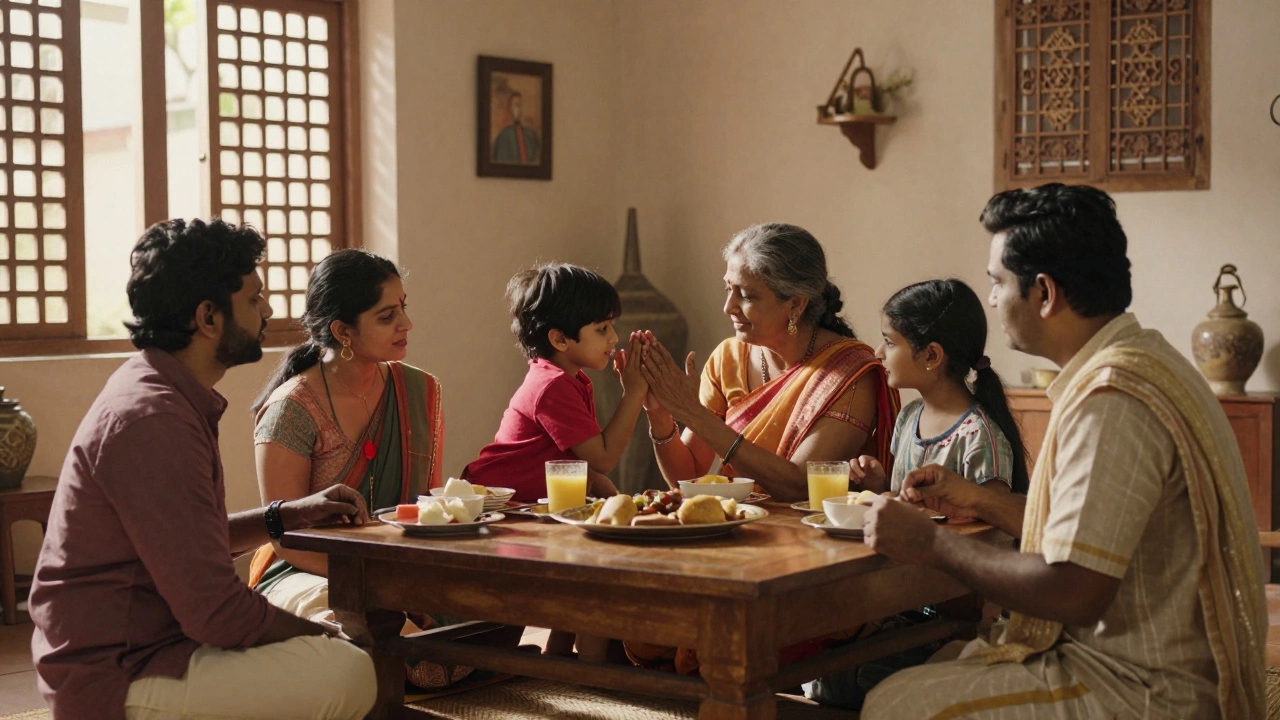
You will see Seva everywhere in India. It is the act of serving others without expecting anything in return. You might see volunteers cleaning a temple, feeding stray animals, or helping a stranger carry groceries. This is not seen as charity; it is seen as a spiritual practice.
Seva breaks down the ego. When you serve someone who cannot pay you back, you realize that your worth is not tied to your status or wealth. This concept fosters a deep sense of empathy and community connection. During festivals like Diwali or Holi, Seva takes the form of sharing food and joy with everyone, regardless of caste or creed. It reminds people that we are all part of the same human experience.
Festivals and Rituals: Marking Time
Time in India is marked by rituals. From morning prayers (Puja) to evening gatherings, daily life is punctuated by moments of reflection and gratitude. Festivals are not just holidays; they are opportunities to reset relationships and reconnect with nature.
| Festival | Core Meaning | Life Lesson |
|---|---|---|
| Diwali | Victory of light over darkness | Hope prevails even in difficult times |
| Holi | Celebration of spring and colors | Let go of grudges and embrace diversity |
| Raksha Bandhan | Bond between brothers and sisters | Protect and support your loved ones |
| Eid-ul-Fitr | End of Ramadan fasting | Discipline, gratitude, and community sharing |
These events teach resilience and gratitude. They remind us that life has cycles-joy and sorrow, growth and decay. By participating in these rituals, individuals stay grounded in their cultural identity, even if they live thousands of miles away from India.
Modern Challenges and Adaptations
Living the Indian way of life in the 21st century is not easy. Globalization, technology, and economic pressures are changing traditional structures. Young professionals moving to cities like Bangalore or Mumbai often struggle to maintain close family ties. The joint family system is giving way to nuclear families, leading to feelings of isolation among the elderly.
Yet, adaptation is part of the Indian spirit. Many families now use video calls to keep grandparents involved in daily life. Online communities help preserve cultural practices abroad. The core values-respect, duty, service-remain intact, even if the methods change. The challenge is to honor tradition without being trapped by it. Finding this balance is the new Dharma for modern Indians.
How to Embrace These Values Daily
You don't need to be born in India to appreciate its way of life. The principles are universal. Here is how you can integrate some of these ideas into your own routine:
- Practice Mindful Duty: Identify your key responsibilities at home and work. Do them with full attention and care, not just as tasks to check off.
- Perform Small Acts of Seva: Help a neighbor, volunteer locally, or simply listen to someone who needs to talk. Make service a habit.
- Honor Elders: Take time to speak with older family members or mentors. Learn from their experiences and show genuine respect.
- Create Rituals: Establish small daily routines that ground you, such as morning meditation, gratitude journaling, or shared meals without screens.
These actions create a sense of purpose and connection. They shift your focus from "what can I get?" to "how can I contribute?" This shift brings a deeper kind of happiness, one that lasts beyond temporary pleasures.
Is the Indian way of life only for Hindus?
No. The Indian way of life includes diverse traditions from Hinduism, Islam, Sikhism, Buddhism, Jainism, Christianity, and more. Concepts like Dharma and Seva are shared across many faiths in India, emphasizing unity in diversity.
Can I practice these values if I live outside India?
Absolutely. Values like duty, service, and family respect are universal. You can adapt them to your local context by building strong community ties, honoring elders, and practicing mindfulness in your daily responsibilities.
What is the biggest misconception about Indian culture?
Many think it is rigid or overly traditional. In reality, Indian culture is highly adaptive. It absorbs new ideas while preserving core values. Modern Indians blend global trends with local customs, creating a dynamic and evolving lifestyle.
How does the concept of Karma influence daily life?
Karma teaches that actions have consequences. This encourages ethical behavior and responsibility. People are motivated to act kindly and honestly, knowing that their efforts shape their future experiences and relationships.
Why is family so central to the Indian way of life?
Family provides emotional, financial, and social support. It ensures that no one faces life's challenges alone. Strong family bonds foster loyalty, trust, and a sense of belonging, which are essential for mental well-being and societal stability.