True Pride vs. Ego Assessment
Is your confidence rooted in what you own or who you are? Take this quick assessment to discover where your sense of worth truly comes from.
Question Text Here
Result Title
Result Description
💡Key Insight
Insight text goes here.
Have you ever stopped to think about what truly makes a person stand tall? We often hear people talk about money, cars, or social media followers as sources of pride. But if you look deeper, especially through the lens of Indian culture and traditional values, the answer changes completely. The biggest pride in the world isn't something you buy. It isn't something you post online for likes. The truest form of pride is rooted in your character, your resilience, and the dignity with which you carry yourself.
In today's fast-paced world, we are constantly bombarded with messages telling us that success looks like a luxury watch or a viral video. This creates a hollow kind of ego. Real pride, however, is quiet. It is steady. It is the feeling you get when you know you did the right thing, even when no one was watching. For many Indians, this concept is tied deeply to family honor, hard work, and maintaining integrity in a chaotic world.
The Illusion of Material Pride
Let's be honest. We all want nice things. There is nothing wrong with wanting a comfortable life. But when material possessions become the sole source of your self-esteem, you build a house on sand. Think about it: how long does the excitement of a new gadget last? A week? Maybe two? That fleeting high is not pride; it is dopamine.
True pride is sustainable. It doesn't depreciate over time. When you rely on external validation-likes, comments, brand logos-you are giving other people the power to define your worth. If they take those likes away, do you lose your value? Absolutely not. Your value comes from within. In attitude quotes from India, you will often find references to 'Swabhiman' (self-respect). This is the idea that your dignity is non-negotiable. You don't beg for respect; you command it through your actions.
Resilience: The Core of Indian Pride
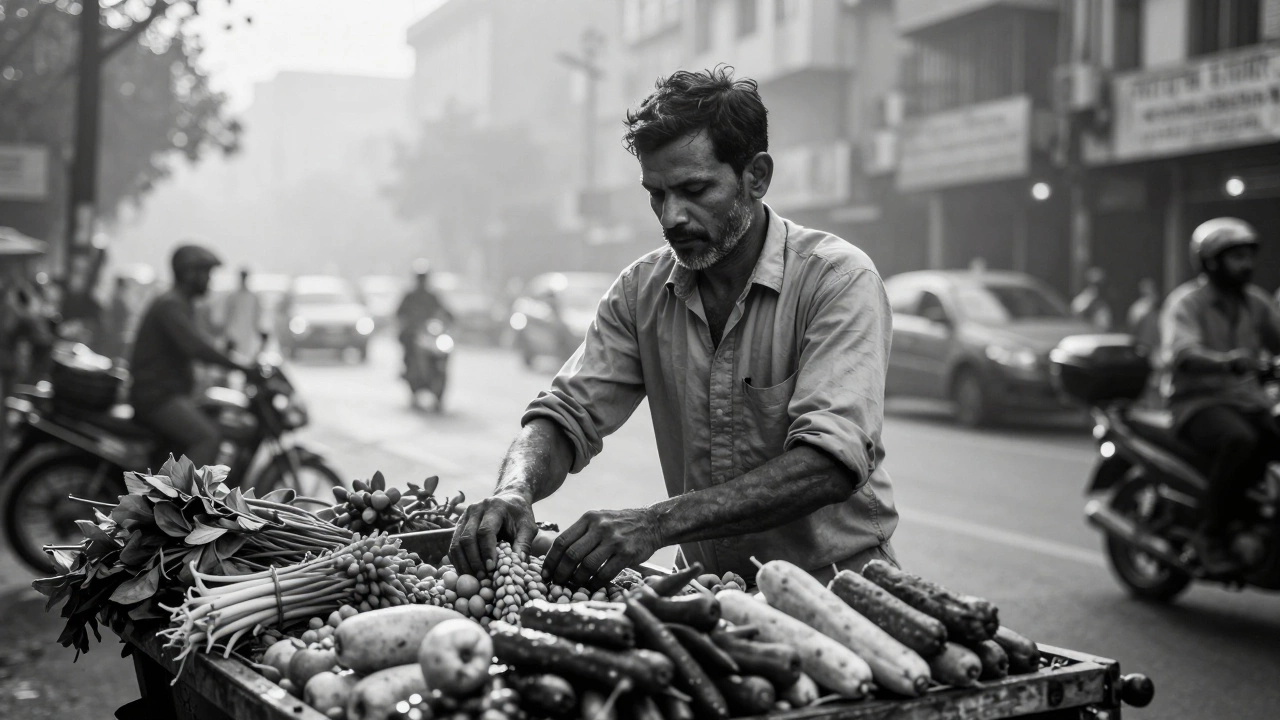
If you ask someone from a rural village in India or a busy street vendor in Mumbai about their pride, they might not mention a bank balance. They might talk about surviving tough times. Resilience is a massive component of pride in the Indian context. Life throws curveballs. Economic shifts, personal losses, societal pressures-it’s a lot to handle.
The ability to bounce back, to keep going despite the odds, is where real pride lives. Consider the millions of small business owners who wake up at 4 AM to serve their customers. Their pride isn't in being famous; it's in being reliable. It's in knowing that their word is their bond. This kind of pride is earned through sweat and tears, not through inheritance or luck. It is the pride of survival and growth.
Family and Community: The Collective Pride
In Western cultures, individualism is often celebrated above all else. While independence is valuable, Indian culture emphasizes the collective. Your pride is often intertwined with your family and community. When you succeed, your parents smile. When you help a neighbor, your community respects you. This shared sense of achievement amplifies pride.
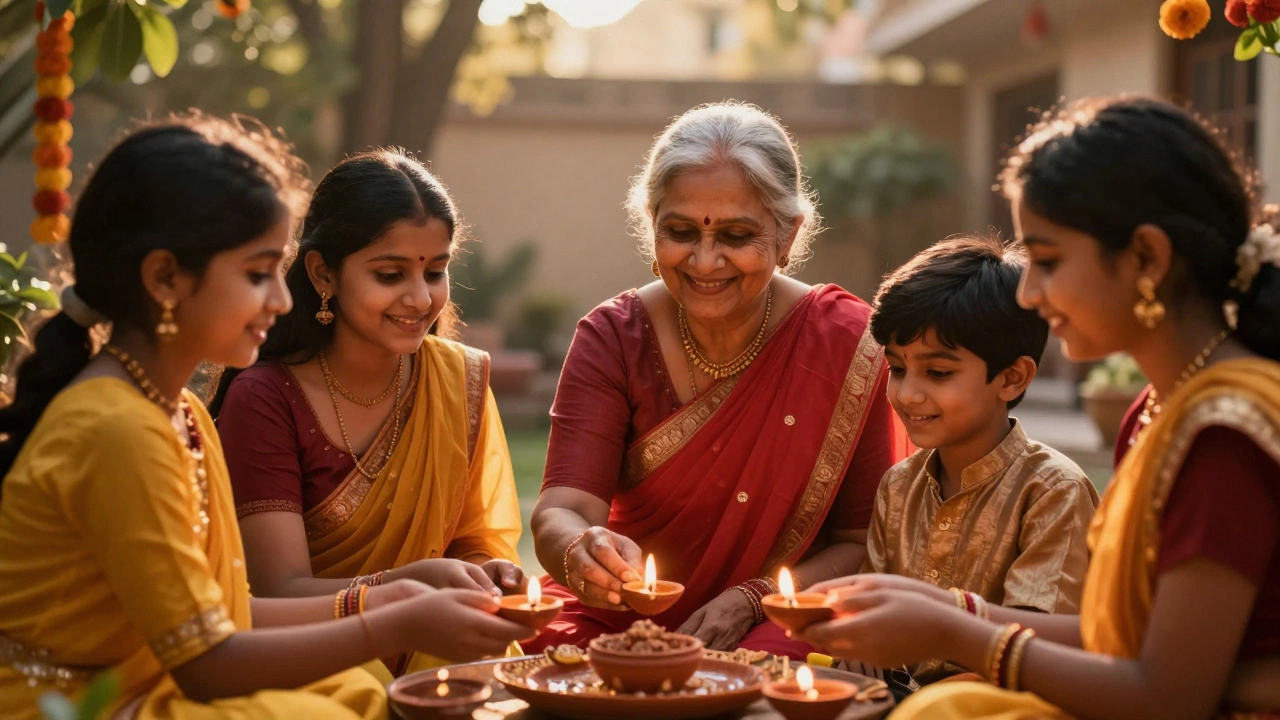
This doesn't mean you lose your identity. It means your identity is supported by a network. Think about festivals like Diwali or Eid. The pride you feel isn't just about the decorations; it's about the continuity of tradition, the unity of neighbors, and the preservation of heritage. You are part of something bigger than yourself. That connection provides a deep, enduring sense of belonging and pride that no solo achievement can match.
Integrity Over Image
We live in an age of filters. Social media allows us to curate perfect versions of our lives. But here is the hard truth: you cannot fake integrity. Integrity is doing the right thing when it is difficult. It is returning the extra change a cashier gave you by mistake. It is speaking up against injustice even when it is unpopular. It is keeping your promises.
When you have integrity, you sleep well at night. You don't have to worry about your mask slipping because you aren't wearing one. This internal peace is the ultimate luxury. Many motivational sayings in Hindi emphasize 'Satya' (truth) and 'Dharma' (duty/righteousness). These aren't just religious concepts; they are practical guides for living a proud life. If your conscience is clear, you have nothing to fear. That clarity is the foundation of unshakeable confidence.
Knowledge and Skill: The True Currency
Another major source of pride is competence. Being good at what you do brings a unique satisfaction. Whether you are a doctor saving lives, a teacher shaping minds, or an artisan crafting jewelry, mastery matters. When you invest time in learning and improving your skills, you gain a sense of ownership over your abilities.
This pride is different from arrogance. Arrogance says, "I am better than you." Pride says, "I am capable of handling this challenge." In a rapidly changing job market, where AI and automation are reshaping industries, having a skill set that is genuinely useful is empowering. It gives you agency. You don't depend on others for your livelihood; you provide value. That exchange is dignified. It is the pride of contribution.
How to Cultivate Real Pride Daily
You don't need a grand event to feel proud. You can build it day by day. Here are simple ways to shift from empty ego to genuine pride:
- Keep Small Promises: If you say you will call your mom at 6 PM, call her at 6 PM. Consistency builds self-trust.
- Help Without Expectation: Do a favor for a colleague or hold a door for a stranger. Don't tell anyone. Let the act itself be the reward.
- Learn Something New: Read a book, learn a language, or pick up a hobby. Growth feels good.
- Stand Up for Values: If you see something unfair, speak up respectfully. Protecting your principles strengthens your backbone.
- Disconnect from Comparison: Unfollow accounts that make you feel inadequate. Focus on your own journey.

The Difference Between Ego and Pride
It is crucial to distinguish between ego and pride. Ego is fragile. It needs constant feeding. It reacts defensively to criticism. Pride is robust. It accepts feedback because it knows it is not a threat to its core identity. Ego shouts; pride whispers. Ego seeks attention; pride seeks purpose.
When you confuse the two, you end up exhausted. You spend energy managing perceptions instead of improving reality. By understanding this difference, you can stop chasing validation and start building character. This shift is liberating. It frees you from the anxiety of 'what will people think?' and replaces it with the confidence of 'I know who I am.'
Embracing Cultural Roots
For many Indians, reconnecting with cultural roots is a powerful way to reclaim pride. This doesn't mean rejecting modernity. It means finding balance. Wearing traditional attire during festivals, cooking family recipes, or learning ancestral languages connects you to generations before you. It reminds you that you are resilient. Your ancestors survived wars, famines, and colonial rule. You carry that strength in your DNA.
This historical perspective puts current struggles into context. Problems that seem insurmountable today are just chapters in a longer story. Recognizing this lineage boosts your confidence. You are not alone. You are supported by a legacy of survivors and innovators.
| Aspect | False Pride (Ego) | True Pride (Self-Respect) |
|---|---|---|
| Source | External validation, material goods | Internal values, actions, integrity |
| Stability | Fragile, fluctuates with opinion | Stable, consistent regardless of outside noise |
| Reaction to Criticism | Defensive, angry, dismissive | Reflective, open to growth |
| Focus | Being seen as superior | Being genuinely competent and kind |
| Long-term Effect | Burnout, loneliness, anxiety | Peace, respect, strong relationships |
Conclusion: Define Your Own Worth
The biggest pride in the world is the knowledge that you are enough. Not because of what you own, but because of who you are. It is the quiet confidence of a person who has done their best, treated others with kindness, and stayed true to their values. In the context of Indian attitude and wisdom, this is the highest form of success. So, next time you feel the urge to compare yourself to others, pause. Ask yourself: "Am I proud of my character today?" If the answer is yes, then you already have everything you need.
What is the difference between pride and arrogance?
Pride is an internal sense of satisfaction based on your achievements and values. It is quiet and stable. Arrogance is an external display of superiority. It is loud, insecure, and relies on putting others down to feel good.
How can I build self-respect in daily life?
Build self-respect by keeping your promises to yourself, setting healthy boundaries, treating others with dignity, and continuously learning new skills. Small, consistent actions create a strong foundation of self-worth.
Why is family important for pride in Indian culture?
In Indian culture, the family unit is central. Success is shared, and failures are supported collectively. This interdependence creates a deep sense of belonging and collective pride that reinforces individual self-esteem.
Can money bring true pride?
Money can bring comfort and security, but it cannot buy self-respect. True pride comes from how you earn your money and how you treat people along the way. Wealth without integrity leads to emptiness.
What role does resilience play in pride?
Resilience is the ability to overcome challenges. When you face difficulties and persist, you prove to yourself that you are strong. This proven strength becomes a lasting source of pride that no one can take away.