
The Sakha Bond Calculator
Discover how your friendship aligns with the traditional Indian concept of Sakha—a bond that transcends casual camaraderie and rivals blood relations. Answer these questions honestly to see where your relationship stands on the spectrum from "Casual Acquaintance" to "Divine Companion."
Title
Description goes here.
You’ve probably seen it on social media: two friends posting a throwback photo with a caption like "Sakha forever" or "Brother from another mother." But have you ever stopped to wonder why these words carry so much weight? In India, friendship isn’t just about grabbing coffee or binge-watching Netflix together. It’s a spiritual contract, a karmic link, and often, a bond that rivals blood relations. If you’re trying to understand what makes an Indian friendship different from the Western ideal, you need to look past the surface-level hangouts and into the deep-rooted cultural fabric that binds people together.
The Spiritual Core: Sakha and Karmic Bonds
In many Western contexts, friendship is voluntary and often transient. You choose your friends, and if things go south, you drift apart. In Indian culture, especially within Hindu traditions, friendship is frequently viewed through a spiritual lens. The concept of Sakha is a Sanskrit term referring to a close friend or companion, often carrying connotations of spiritual equality and eternal bonding goes beyond casual camaraderie. It implies a connection that transcends lifetimes.
Think about the epic tales we grew up with. Krishna and Sudama didn’t meet because they had similar hobbies; their bond was rooted in devotion and shared history. Similarly, Ram and Hanuman represent a loyalty that defies logic. These aren’t just stories; they are blueprints. When Indians speak of a true friend, they are often unconsciously referencing this archetype: someone who stands by you when everything else falls away. This isn’t just poetic exaggeration. For many, a best friend is considered a manifestation of divine support in human form.
Friendship vs. Family: Blurring the Lines
Here is where things get tricky for outsiders. In individualistic societies, family and friends are distinct categories. You owe duties to family; you share fun with friends. In India, that line is blurry-sometimes nonexistent. Your cousin is often called "brother," not "cousin." Your best friend might be invited to every family wedding, treated as an uncle or aunt to your children, and expected to contribute financially during crises.
This integration means friendship comes with heavy responsibilities. If your friend’s father gets sick, you don’t just send a text saying "Get well soon." You show up at the hospital. You help arrange doctors. Why? Because his pain is your pain. The boundary between "my problem" and "your problem" dissolves. This can feel overwhelming to those used to more compartmentalized relationships, but for Indians, it’s a feature, not a bug. It creates a safety net that is incredibly resilient.
The Rituals That Bind: Raksha Bandhan and Beyond
Culture lives in rituals. While Raksha Bandhan is a festival celebrating the protective love between brothers and sisters, it has evolved to include non-biological siblings and close friends, its application to friendship highlights how platonic love is formalized. Tying a rakhi (thread) on a male friend’s wrist isn’t just a cute gesture; it’s a public declaration of mutual protection and care. He promises to protect her honor and well-being; she promises to pray for his prosperity.
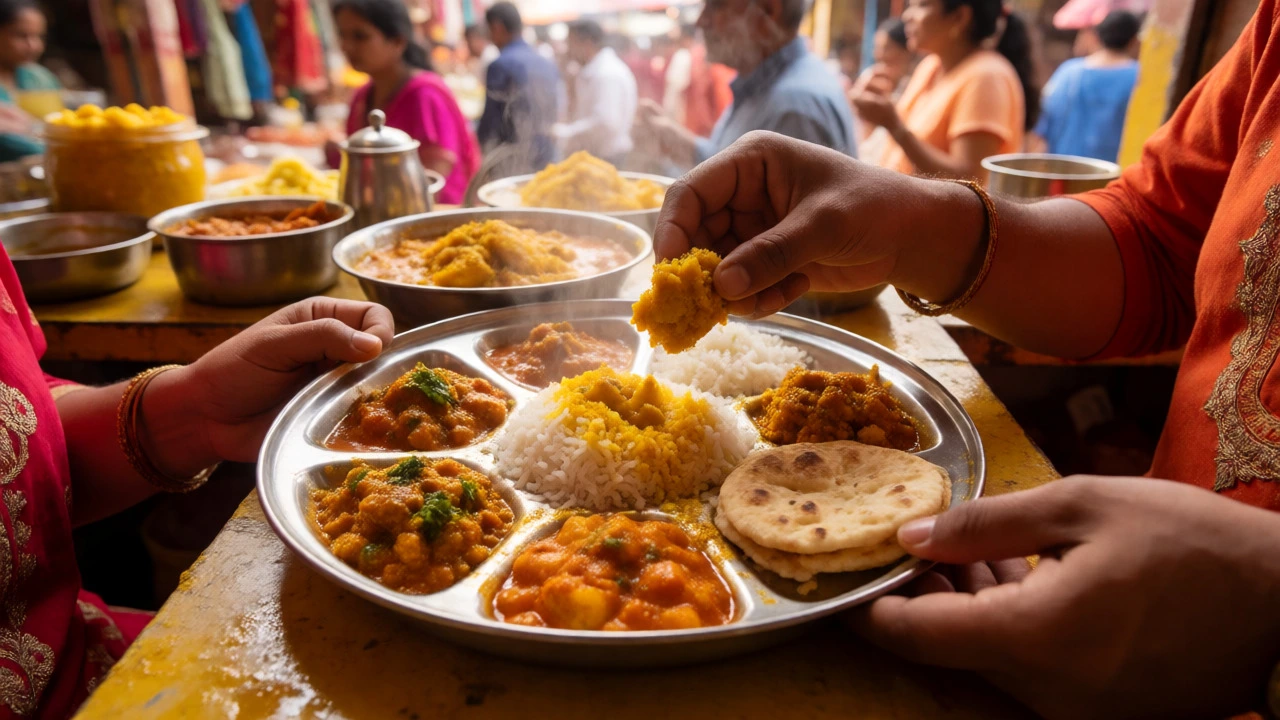
But it’s not just festivals. Consider the act of sharing food. In India, feeding someone is an act of intimacy. If a friend invites you home for dinner, refusing food can be seen as rude or distant. Sharing a single plate of thali or splitting a bottle of soda is a physical manifestation of trust. You are literally putting your health in each other’s hands. These small, daily rituals reinforce the bond far more than grand gestures do.
Regional Nuances: How Friendship Looks Across India
India is vast, and friendship styles vary significantly by region. Assuming all Indian friendships are identical is a mistake. Let’s break down some common regional traits:
| Region | Key Trait | Common Expression |
|---|---|---|
| North India | High energy, loud affection, hospitality-focused | "Yaar," "Bhai," inviting over for massive meals |
| South India | Respectful distance initially, deep intellectual connection later | Shared values, family approval matters heavily |
| West India | Business-minded, pragmatic support, vibrant social circles | Networking mixed with genuine care, "Dost" culture |
| East India | Literary and artistic connections, gentle demeanor | Long conversations over chai, shared cultural interests |
In North India, friendship is often loud and expressive. Physical touch-hugs, slaps on the back-is common among men. Hospitality is king; if you visit a friend’s home, you will be fed until you can barely move. In contrast, South Indian friendships may start with more formality. Respect for elders and family opinion plays a larger role in choosing friends. A friend might be vetted by parents before becoming part of the inner circle. West Indian friendships, particularly in cities like Mumbai, often blend professional networking with personal bonding. The hustle culture means friends are also allies in career growth. East Indian friendships, centered around hubs like Kolkata, often revolve around addas (informal gatherings) discussing politics, cinema, and literature.
The Modern Shift: Digital Friendships and Global Influence
Let’s be real: the old ways are changing. With globalization and the rise of Instagram, younger generations in urban centers like Bangalore, Delhi, and London are adopting more Western-style boundaries. The pressure to treat every friend like family is easing slightly. There’s a growing acceptance that it’s okay to say "no" to plans without offending someone’s entire lineage.
Digital platforms have also altered how bonds are maintained. WhatsApp groups serve as digital living rooms. Memes replace long letters. However, the core expectation remains: availability. If you ignore a message from a close friend for days, it’s noticed. The medium changes, but the demand for emotional presence stays constant. Interestingly, diaspora communities often cling tighter to traditional definitions of friendship. For Indians living abroad, a fellow countryman isn’t just a friend; they are a cultural anchor. They speak your language, understand your references, and validate your identity in a foreign land.

Why This Matters: The Value of Emotional Safety Nets
So, why should you care about these nuances? Because understanding them helps you navigate relationships better. If you’re an outsider entering an Indian social circle, recognizing the depth of commitment required can prevent misunderstandings. If you’re an Indian, reflecting on these traditions can help you appreciate the resilience of your support systems.
Research in sociology suggests that strong community ties correlate with higher life satisfaction. In India, friendship provides this community. It’s not just about having someone to party with; it’s about having someone who knows your history, your trauma, and your dreams. It’s a decentralized welfare system. When you lose a job, your friends don’t just offer sympathy; they offer leads, loans, and lodging. This tangible support is the bedrock of Indian friendship.
Frequently Asked Questions
Is friendship considered sacred in Hinduism?
Yes, in Hindu philosophy, friendship (Maitri) is one of the four Brahmaviharas (divine abodes). It is seen as a path to spiritual liberation. Texts like the Mahabharata emphasize that a true friend (Suhrid) is essential for moral guidance and emotional stability, equating the bond to a spiritual duty.
Can men and women be just friends in Indian culture?
Traditionally, cross-gender friendships were rare due to conservative norms. However, in modern urban India, platonic male-female friendships are increasingly common and accepted, especially among millennials and Gen Z. Still, societal scrutiny exists, and such friendships often require clear boundaries and mutual respect to thrive amidst familial expectations.
What is the significance of 'Yaar' in Indian friendships?
'Yaar' is a colloquial Hindi term meaning 'friend,' 'pal,' or 'buddy.' It signifies closeness and informality. Using 'Yaar' indicates a relaxed, intimate dynamic where formal titles are dropped. It is widely used across North India and has permeated pop culture, symbolizing a bond that is easy-going yet deeply trusted.
How does friendship differ in rural vs. urban India?
Rural friendships are often lifelong, formed in childhood villages, and intertwined with family alliances and caste/community dynamics. Urban friendships are more fluid, based on education, profession, or shared interests. While rural bonds are stable and obligatory, urban ones are chosen and can be more transient, though equally intense during their duration.
Do Indian friends expect financial help?
It is common for close Indian friends to lend money during emergencies without formal contracts. This reflects the belief that friends are like family. However, this can sometimes lead to complications if repayment terms aren't communicated clearly. Trust is high, but transparency is key to maintaining the relationship.