Wealth Status Calculator for India
Your Financial Profile
Wealth Assessment
When you hear the word rich in India, what comes to mind? A luxury car? A big house in Gurgaon? A vacation to Dubai? The truth is, being considered rich in India isn’t about one thing-it’s a mix of income, assets, location, and social expectations. What looks like wealth in Mumbai might be normal in Delhi, and what feels rich in Bangalore could be average in Jaipur. The numbers don’t tell the whole story.
How Much Money Do You Need to Be Rich in India?
There’s no single salary that makes you rich. But data from the Reserve Bank of India and Credit Suisse reports show a clear pattern. To be in the top 1% of earners in India, you need an annual income of at least ₹50 lakh (about $60,000 USD). That’s the threshold where most people start feeling financially secure beyond just covering basics. But here’s the catch: 95% of Indian households earn less than ₹10 lakh per year. So even ₹15 lakh a year puts you ahead of 90% of the population.
But income alone doesn’t define wealth. A person earning ₹20 lakh a year but living in a rented apartment in Mumbai, with no savings, and carrying a car loan might feel far from rich. Meanwhile, someone earning ₹8 lakh a year in a small town, owning their home outright, with zero debt and a fixed deposit of ₹50 lakh, might feel extremely comfortable. Wealth isn’t just what you earn-it’s what you keep.
Assets That Actually Matter
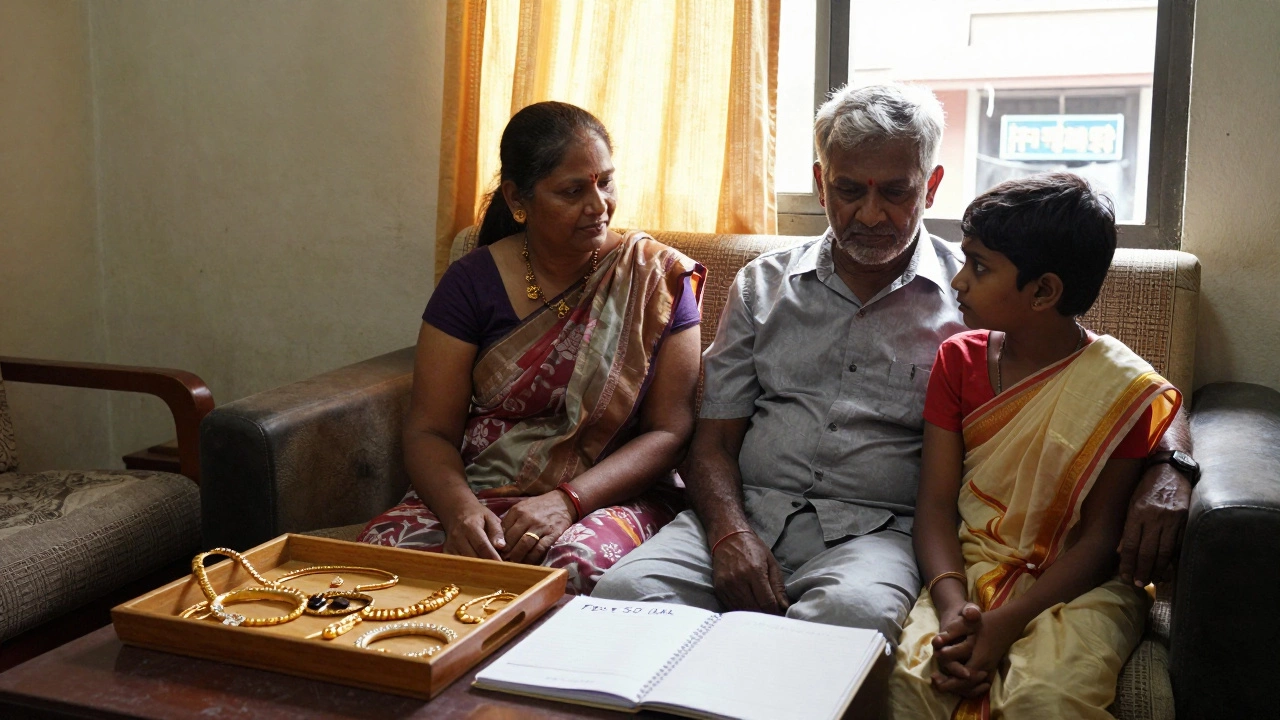
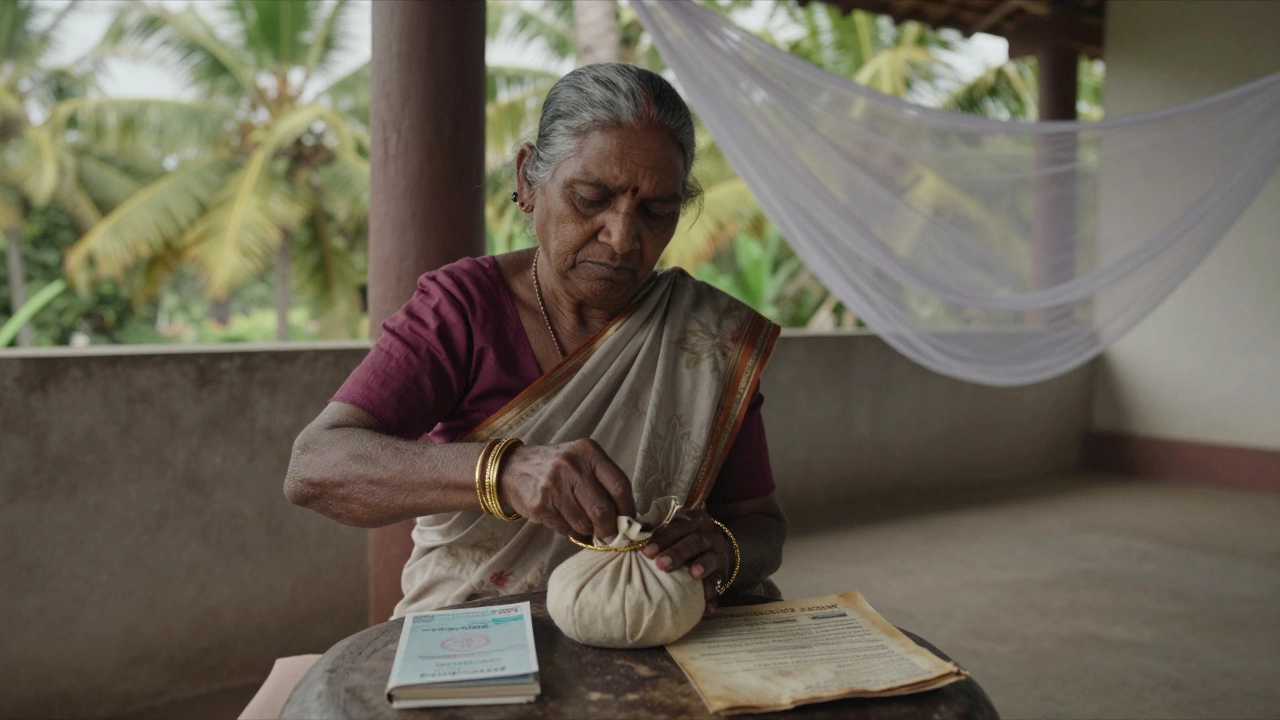
In India, real wealth is measured in land, property, and gold. A 2023 survey by the National Council of Applied Economic Research found that over 78% of Indian households hold at least some gold. For many families, gold isn’t jewelry-it’s insurance. It’s what you sell when your child needs surgery or when the monsoon ruins your crop.
Home ownership is another key marker. Owning a 3BHK flat in a Tier-2 city like Indore or Coimbatore is a major milestone. In Tier-1 cities, owning even a 2BHK without a mortgage is rare. According to RBI data, only 17% of urban households in Mumbai own their home outright. If you own property in multiple cities-or better yet, in a village with agricultural land-you’re considered well-off, even if your salary isn’t high.
Business ownership is another path. A small shop owner in Lucknow making ₹5 lakh net profit per year, with no employees, is richer than a salaried engineer earning ₹25 lakh but spending 60% of it on rent and EMIs. Why? Because the shop owner’s asset-the business-is growing. His income isn’t tied to a boss. He controls his future.
Location Changes Everything
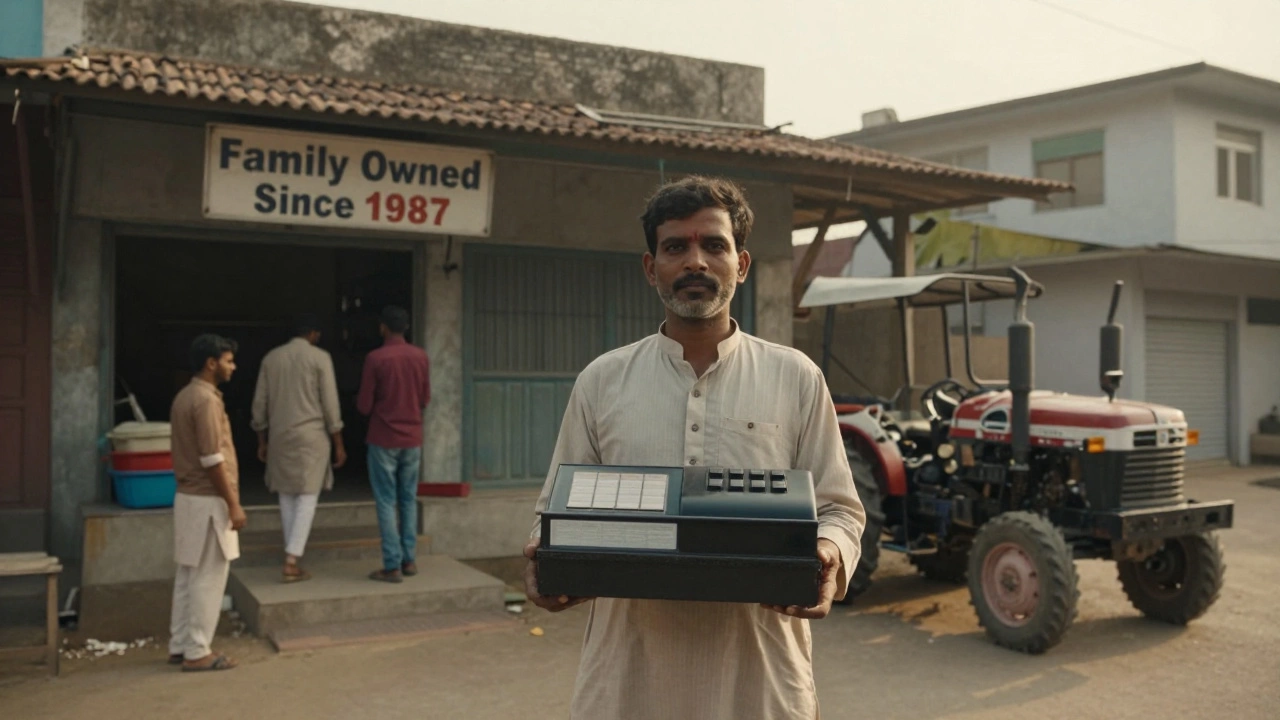
Rich in Delhi? Rich in Patna? Rich in Kerala? The answer changes with every state. In rural Uttar Pradesh, owning a tractor and a concrete house with electricity counts as wealth. In Bengaluru, being rich means having a car, a 2BHK apartment, and a monthly savings rate of at least ₹30,000. In Kerala, it’s about having a steady government job and land that’s been in the family for generations.
Take education. In many parts of India, sending your child to a private school with English medium isn’t a luxury-it’s a necessity. But in cities like Hyderabad or Pune, parents spend ₹2 lakh per year on tuition, coaching, and extracurriculars just to keep up. If you can afford that without dipping into savings, you’re already in the top 10%.
Healthcare costs also define wealth. In rural India, a hospital bill of ₹50,000 can wipe out a year’s income. In cities, having private health insurance that covers ₹10 lakh+ in treatment is standard for families who consider themselves financially stable. If your family hasn’t had to sell gold or borrow money for a medical emergency in the last five years-you’re doing better than most.
The Hidden Cost of Being "Rich" in India
There’s a social pressure that comes with being seen as rich. In many communities, weddings aren’t just events-they’re status symbols. A middle-class family might spend ₹30 lakh on a wedding, even if they can’t afford it. Why? Because neighbors are watching. A friend’s cousin’s wedding had a live band. Yours must too.
Same with cars. A Hyundai Creta might be a dream for someone in a village. But in Delhi, it’s just a daily driver. To be seen as rich, you need a BMW, or at least a Toyota Fortuner. And if you drive a Fortuner but live in a 1,000 sq. ft. apartment? People still think you’re doing okay.
Then there’s the pressure to help family. In India, wealth isn’t just for you. It’s for your uncle’s business, your sister’s dowry, your cousin’s education. Many people who earn ₹25 lakh a year feel poor because they send ₹15 lakh home each year. That’s not greed-it’s cultural obligation. And it’s why so many rich Indians live modestly behind closed doors.
What Rich Looks Like in 2026
Today, being rich in India isn’t just about money. It’s about freedom. Freedom from debt. Freedom from worrying about medical bills. Freedom to choose your child’s school without asking for a loan. Freedom to take a month off work without panic.
Here’s what the new definition of rich looks like:
- You have 12 months of living expenses saved-not in a savings account, but in liquid assets like fixed deposits or gold.
- You own your home, or you’re 70% done paying your mortgage.
- You have health insurance that covers your entire family without co-pays.
- You don’t rely on your parents’ savings to fund your child’s education.
- You can say "no" to a family request without guilt.
- You’ve invested in your skills-not just your home.
It’s not about how many cars you own. It’s about how little you need to prove anything to anyone.
Who Really Gets Rich in India?
Most people who become wealthy in India don’t do it by climbing corporate ladders. They do it by building something small and scaling it. A tailor who opens three shops. A mechanic who trains 15 apprentices and starts a training center. A food vendor who turns his recipe into a packaged brand sold online.
The Indian dream isn’t about being a CEO. It’s about being your own boss. It’s about having a business that doesn’t need you to be there every day. That’s the real wealth.
And it’s not just for the elite. In 2024, over 1.2 million new MSMEs were registered in India. Most of them were started by people with under ₹5 lakh in savings. They didn’t wait for permission. They didn’t wait for a job. They just started.
So if you’re wondering what it takes to be rich in India-stop looking at salaries. Start looking at control. Control over time. Control over money. Control over your choices.
Is ₹20 lakh per year rich in India?
₹20 lakh per year puts you in the top 5% of earners in India. But whether you feel rich depends on where you live and what you own. In Mumbai or Delhi, with high rent and school fees, this income might feel tight. In smaller cities or towns, it can give you a very comfortable life-especially if you own your home and have no debt.
Can you be rich without a high salary in India?
Absolutely. Many small business owners, farmers with land, and skilled artisans earn less than ₹10 lakh a year but are considered wealthy because they own assets-land, property, equipment, or a profitable business-that generate income without constant effort. Wealth isn’t just income-it’s net worth.
Does owning a car make you rich in India?
Not anymore. In 2026, over 70% of urban households own a car. A Maruti Swift or Hyundai i10 is now a basic necessity, not a status symbol. To be seen as rich, you need a vehicle that costs more than ₹15 lakh, but even that isn’t enough if you’re living paycheck to paycheck. Ownership without financial freedom doesn’t equal wealth.
Why do many rich Indians live simply?
Many wealthy Indians live modestly because they’ve seen how quickly money can disappear. They’ve lived through economic shocks, family emergencies, or business failures. They prioritize savings, education, and property over flashy spending. It’s not about being cheap-it’s about security. And in India, security is the real luxury.
Is wealth in India more about family than individual income?
Yes. Indian wealth is deeply tied to family structure. A single person earning ₹30 lakh might feel poor if they’re supporting aging parents, siblings, and cousins. Meanwhile, a joint family earning ₹8 lakh together-with land, a home, and no debt-can live very comfortably. Wealth is often shared, not individual.
Final Thought: Rich Isn’t a Number. It’s a Feeling.
At the end of the day, being rich in India isn’t about how much you have. It’s about how little you have to explain. It’s about not having to choose between your child’s tuition and your mother’s medicine. It’s about sleeping without worrying about tomorrow.
That’s the real definition of rich. And it’s not something you can buy. It’s something you build-with discipline, patience, and smart choices.