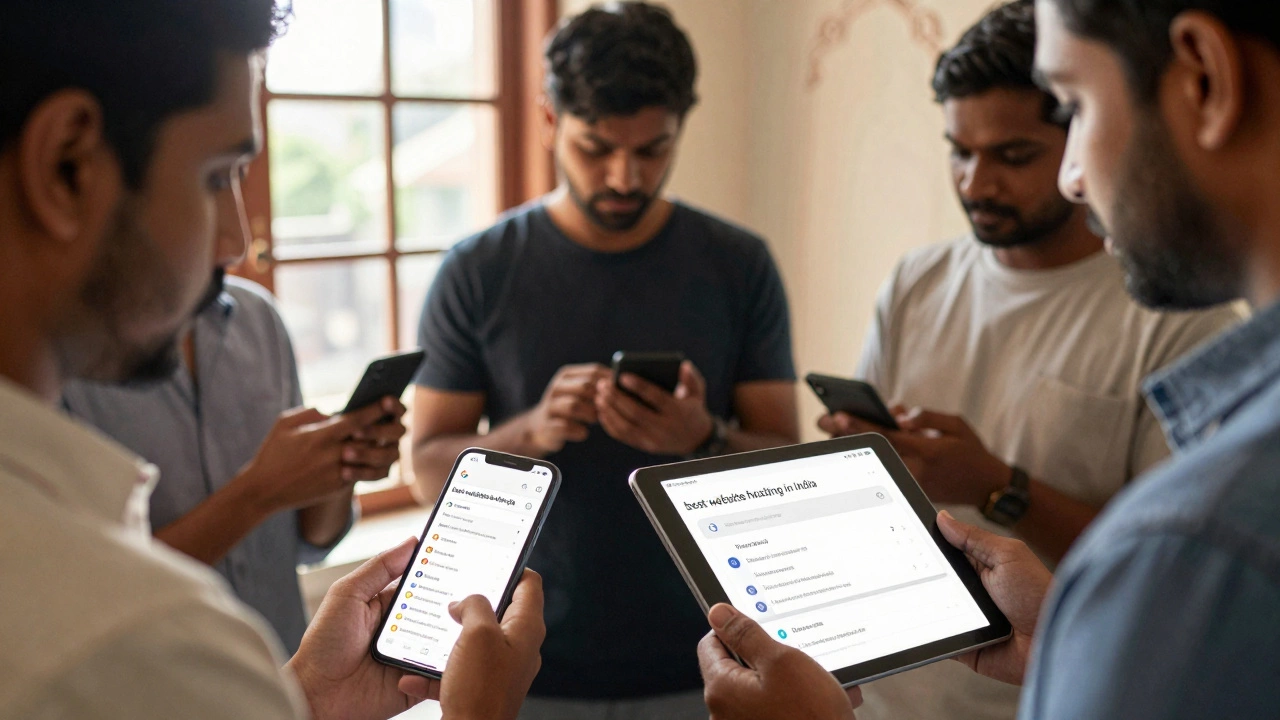
Every day, billions of people open their browsers and type in the same few names. It’s not because they’re stuck in a rut-it’s because these sites do something so well, nothing else comes close. If you’re running a website in India-or anywhere else-you need to know what the world is using. Not to copy them, but to understand what real user behavior looks like at scale.
Google: The Digital Front Door
Google isn’t just a search engine. It’s the first thing people reach for when they want to find anything: a recipe, a repair shop in Delhi, a movie review, or how to fix a leaking tap. In 2025, Google handles over 9 billion searches per day. That’s more than the entire population of Earth searching twice over, every single day.
What makes Google dominate isn’t just speed. It’s accuracy. If you type ‘best website hosting in India’ into Google, it doesn’t just list random results. It picks sites based on relevance, user reviews, page speed, and how well they answer the question. That’s why Indian businesses that rank on Google’s first page see 3x more traffic than those on page two.
For anyone building a website in India, this means one thing: if you’re not optimized for Google, you’re invisible. Your beautiful design, your local language content, your affordable hosting plan-none of it matters if Google doesn’t see you as useful.
YouTube: The World’s Video Library
YouTube isn’t just for cat videos anymore. In India, over 500 million people use YouTube every month. That’s more than the entire population of the United States. People watch tutorials on how to start a small business, learn Hindi grammar, follow cricket coaching, or even watch 10-hour livestreams of temple rituals.
What’s surprising is how many of these viewers are from small towns. A farmer in Uttar Pradesh watches videos on crop rotation. A student in Bhopal learns Python from a channel run by someone in Bangalore. YouTube doesn’t care where you live. It only cares if your video solves a problem.
If you’re running a website in India, YouTube is your free advertising channel. A 3-minute explainer video on your hosting service can bring more traffic than a $5,000 Google Ads campaign. And because YouTube is owned by Google, videos rank inside Google search results too. Double exposure. Double impact.
Facebook: The Community Hub
Facebook still holds the crown as the most-used social platform in India-with over 350 million active users. It’s not just for sharing photos anymore. It’s where local businesses sell handmade jute bags. Where college students form study groups. Where mothers in Jaipur share parenting tips in Hindi.
Facebook Groups are the real power here. There are over 100 million active groups in India alone. One group called ‘Small Business Owners in Pune’ has 280,000 members. They don’t just talk-they buy. They recommend. They complain. And they trust each other more than any ad.
For website owners, this means: don’t just build a website. Build a community around it. Use Facebook to drive traffic. Answer questions. Share behind-the-scenes clips. People don’t follow brands. They follow people who understand their struggles.
WhatsApp: The Unofficial National App
If you think WhatsApp is just for sending emojis and memes, you’re missing the point. In India, over 530 million people use WhatsApp daily. That’s more than the population of Brazil. And here’s the kicker: 80% of those users use it for business.
Small shops in Kerala use WhatsApp to take orders. Doctors in Hyderabad send prescription photos. Real estate agents in Gurgaon send property videos. Even government offices in rural areas now use WhatsApp to send alerts about vaccination drives.
Why? Because it’s simple. It works on old phones. It doesn’t need Wi-Fi-just mobile data. And it’s encrypted, so people trust it.
For website owners, this means: your website shouldn’t be the only touchpoint. Build a WhatsApp channel. Offer customer support. Send updates. Create a broadcast list for your customers. Your website is your storefront. WhatsApp is your salesperson knocking on every door.
Instagram: The Visual Marketplace
Instagram has exploded in India, especially among users under 30. Over 200 million people use it monthly. It’s not just influencers with perfect lighting. It’s street vendors in Mumbai showing off their snacks. Artisans in Rajasthan posting videos of hand-painted pottery. College students selling handmade candles from their dorm rooms.
What makes Instagram different is how visual it is. People don’t read long descriptions. They scroll. They swipe. They stop when something catches their eye. A photo of a handwoven saree. A time-lapse of a cake being decorated. A before-and-after of a website redesign.
If your website sells products, services, or even ideas, Instagram is your best friend. Use high-quality photos. Post consistently. Use local hashtags like #MadeInIndia or #DelhiSmallBusiness. Link your Instagram bio to your website. Every post is a mini-ad.
And here’s the secret: Instagram Reels get 3x more reach than regular posts. If you’re not using Reels, you’re leaving traffic on the table.
Why This Matters for Your Website
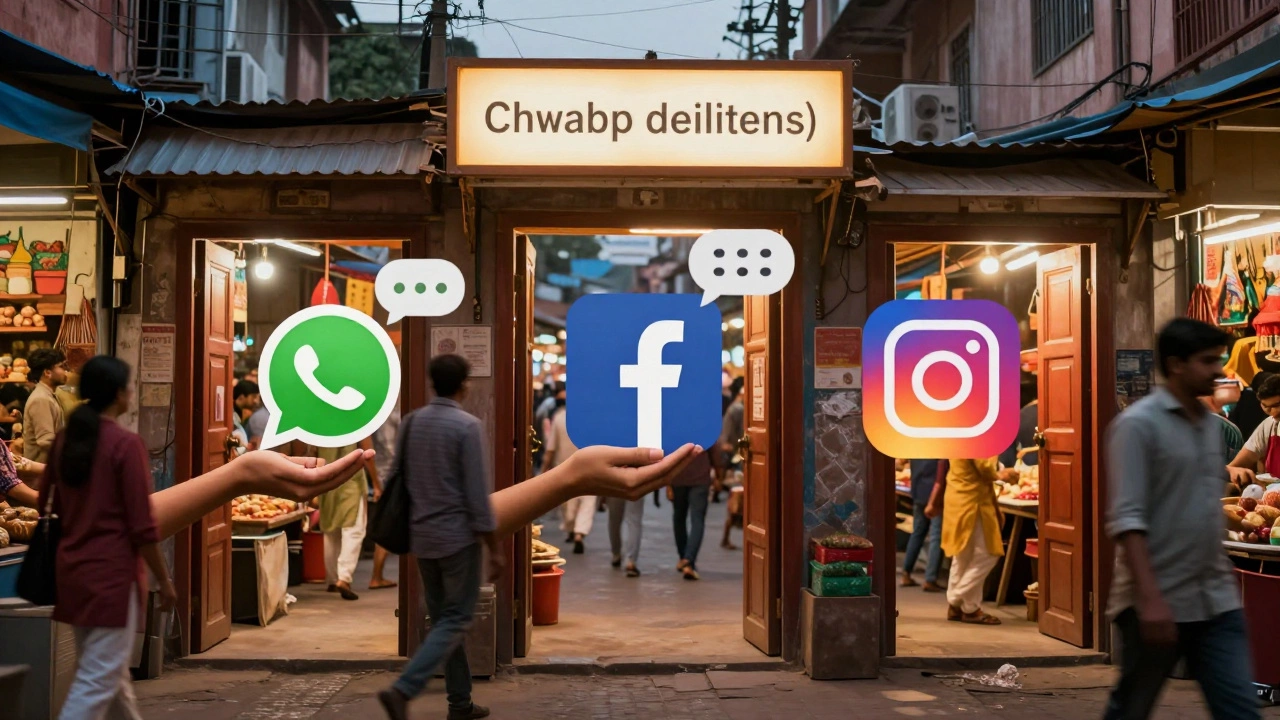
These five sites aren’t random. They’re the pillars of how people connect, search, buy, and learn today. If your website doesn’t fit into this ecosystem, it’s like opening a shop in a deserted mall.
Here’s what you should do:
- Optimize for Google: Use clear titles, fast loading, and answers to real questions. Write like you’re talking to someone sitting across from you.
- Use YouTube: Make a short video explaining your service. Upload it. Put the link in your website footer.
- Join Facebook Groups: Don’t advertise. Help. Answer questions. Build trust. Then mention your site when it’s relevant.
- Create a WhatsApp Business profile: Let customers message you directly. Automate replies for common questions like pricing or delivery time.
- Post on Instagram daily: One photo. One caption. One link. That’s all you need. Consistency beats perfection.
It’s not about being everywhere. It’s about being where your users already are. If you’re a website hosting provider in India, your customers aren’t searching for ‘best hosting’ on your site. They’re searching on Google. Watching YouTube tutorials. Asking in Facebook groups. Messaging on WhatsApp. Scrolling Instagram for reviews.
Your website is the final step-not the first.
What’s Next?
The top 5 websites aren’t going anywhere. But the way people use them is changing. Voice search is growing fast on Google. Short videos are replacing long posts on Instagram. WhatsApp is adding shopping features. YouTube is pushing live commerce.
If you want your website to survive in 2026, you need to adapt. Not by building a fancy new design. But by meeting people where they already spend their time.
Start with one. Pick the platform your audience uses most. Master it. Then add the next. Don’t try to do all five at once. Do one well, and the others will follow.