India Carbon Footprint Calculator
Your Carbon Impact
Your Impact Analysis
Imagine waking up to an India where every child has access to quality education, rivers run clean, and villages buzz with innovation. That’s not just a fantasy-it’s a dream many Indians are working toward today. In 2026, this vision is closer than ever. Let’s explore how everyday actions and bold policies are shaping a brighter tomorrow.
Education for All
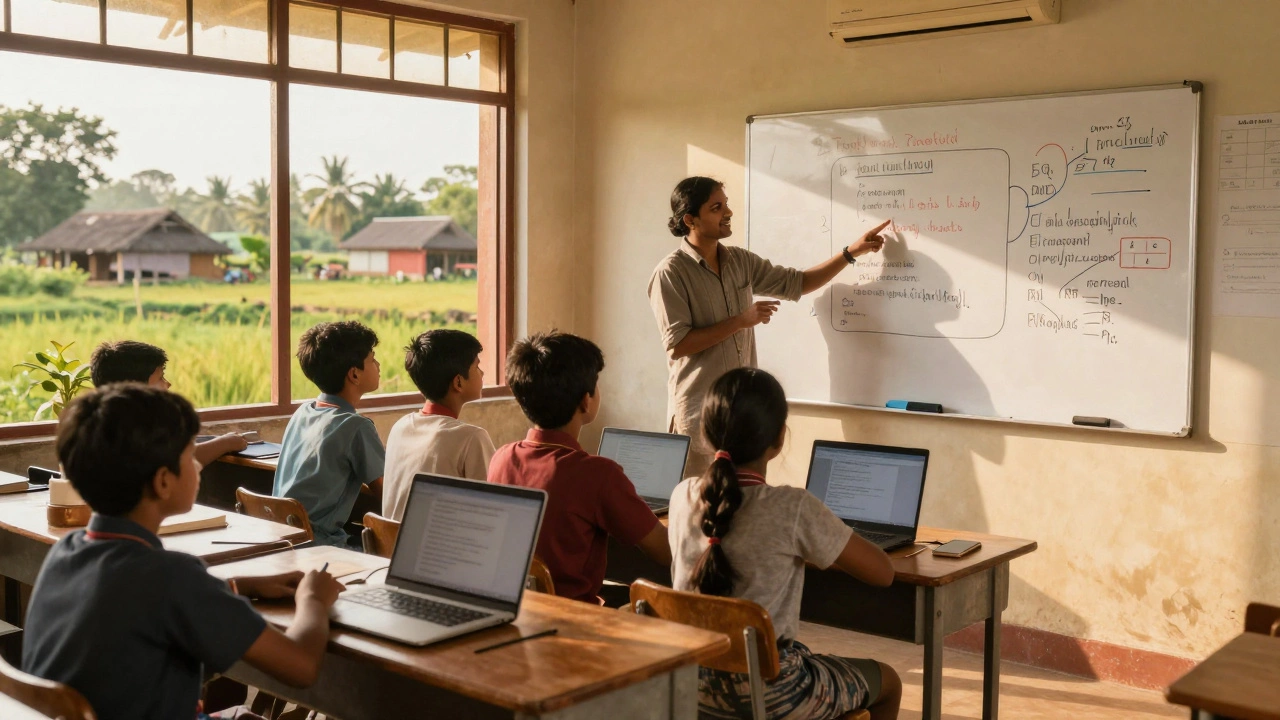
National Education Policy 2020 has reshaped India’s schools and colleges. With a focus on critical thinking over rote learning, 90% of schools now offer vocational training by 2025. This shift has boosted youth employability by 35% in just three years. For example, in Tamil Nadu, students in rural schools now learn coding alongside traditional subjects, preparing them for tech-driven jobs.
Digital India: Connecting the Nation
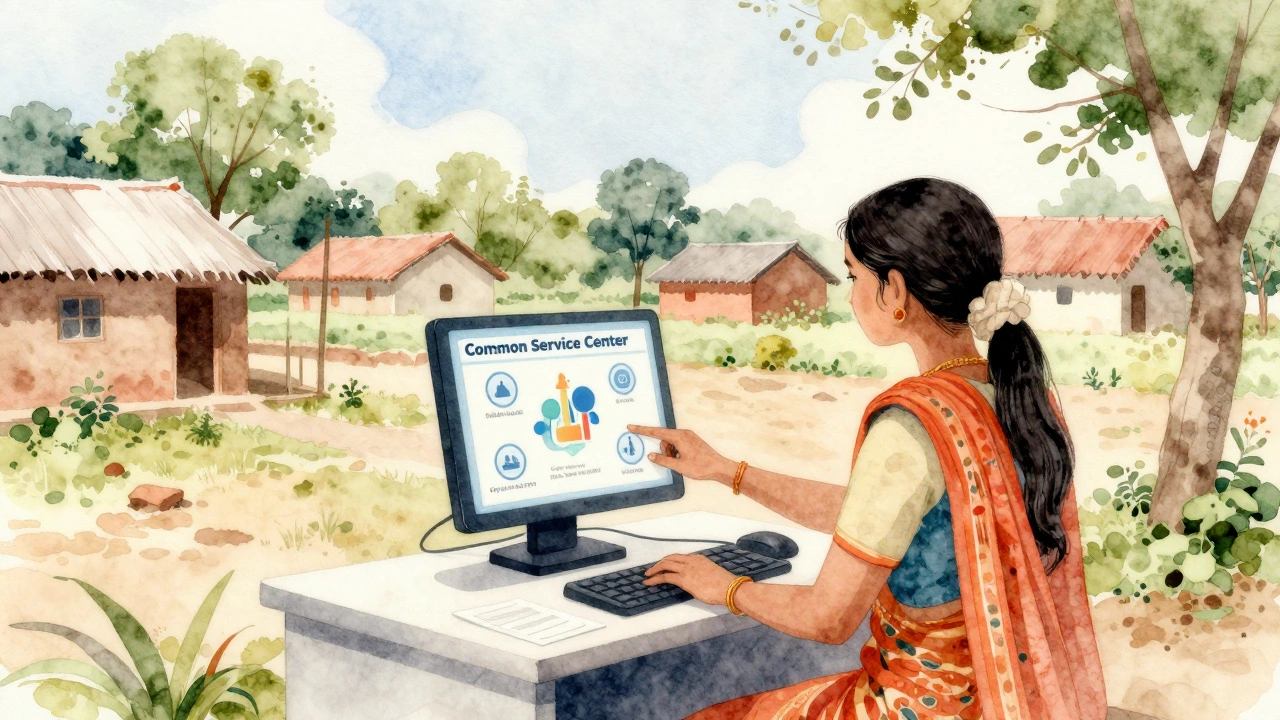
Digital India is more than a government initiative-it’s a movement. Launched in 2015, this program has connected over 700 million citizens to high-speed internet by 2025. With initiatives like BharatNet and Common Service Centers, rural areas now have access to online education, healthcare, and banking services. In 2024, over 500 million digital transactions occurred daily, proving India’s leap into the digital age.
Healthcare for Every Citizen
Ayushman Bharat has transformed healthcare access. By 2025, this scheme covers 500 million people, reducing out-of-pocket expenses by 45%. In rural Uttar Pradesh, mobile health clinics now serve 500 villages daily, providing free diagnostics and medicines. This initiative has cut maternal mortality rates by 28% since 2023.
Clean Environment, Healthy Future
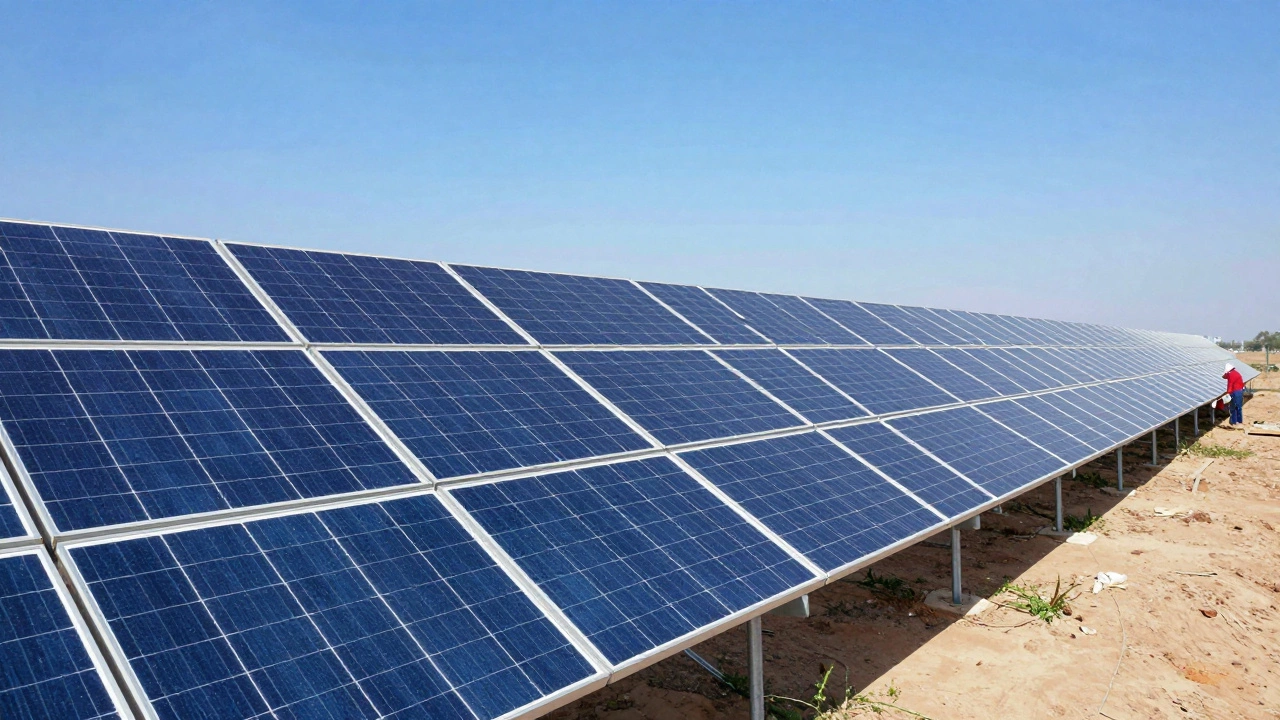
Namami Gange is cleaning India’s lifeline rivers. The project has reduced pollution in the Ganges by 40% since 2022. Over 150 sewage treatment plants now operate along the river, protecting ecosystems and ensuring clean water for 100 million people. Meanwhile, India’s solar power capacity hit 100 GW in 2025, exceeding its 2030 target early.
Sustainable Development in Action
India’s approach to growth balances economy and ecology. For instance, the state of Gujarat now generates 35% of its power from renewables, while cities like Pune have cut carbon emissions by 20% through electric public transport. Farmers in Maharashtra use AI-powered soil sensors to optimize water usage, increasing yields by 25%. These innovations show how sustainability drives progress.
How You Can Help Build India’s Dream
Change starts with you. Here’s what you can do:
- Support local startups through crowdfunding or mentorship.
- Reduce plastic use and participate in community clean-up drives.
- Volunteer at schools or NGOs to improve education access.
- Use public transport or carpool to cut carbon emissions.
- Stay informed and vote for leaders committed to sustainable policies.
What are the biggest challenges in achieving India’s dream?
While progress is happening, challenges remain. Population growth strains resources, and regional disparities persist. Climate change impacts agriculture and water security. However, India’s youth-led innovation and policy reforms are addressing these. For example, the 2025 National Climate Action Plan targets 45% emissions reduction by 2030 through renewable energy and afforestation.
How can ordinary citizens contribute to India’s development?
Small actions add up. Supporting local businesses, conserving water, and voting wisely make a difference. For instance, in Kerala, community-led waste management reduced plastic pollution by 60%. Every citizen can play a role in building a better India.
Which sectors are showing the most progress?
Technology and renewable energy lead the way. India’s startup ecosystem grew to 10,000+ companies in 2025, with 25% in AI and biotech. Solar power capacity reached 100 GW, and digital transactions hit 500 million daily. These sectors are driving economic growth while reducing environmental impact.
What role does technology play in India’s future?
Technology is the backbone of India’s progress. From AI-powered farming tools to telemedicine in remote villages, it bridges gaps in education, healthcare, and agriculture. The National Digital Health Mission now serves 80% of citizens, ensuring seamless healthcare access. This digital transformation is creating jobs and improving quality of life nationwide.
How is India addressing climate change?
India has committed to 50% renewable energy by 2030 and net-zero emissions by 2070. Initiatives like the Green Energy Corridor and afforestation projects are underway. The Namami Gange project has reduced river pollution by 40%, while solar farms in Rajasthan power millions of homes. These steps show India’s dedication to a sustainable future.