
Blog Profitability & Platform Estimator
Income Potential Calculator
Projected Monthly Income
Estimated Range
Platform Recommendation Tool
It’s July 2026, and the internet is louder than ever. Between AI-generated content flooding search results and short-form video dominating attention spans, many writers are asking a hard question: Is writing long-form text still worth the effort? Can you actually make money from a blog today?
The short answer is yes. But the way you do it has changed completely. If you’re expecting to write generic "Top 10" lists and get rich while you sleep, you’re out of luck. That era ended around 2023. However, if you treat your blog as a digital asset-a hub for expertise, community, and trust-it remains one of the most reliable ways to build online income.
The State of Blogging in 2026
Let’s look at the reality. Search engines like Google have updated their algorithms to prioritize "Experience, Expertise, Authoritativeness, and Trustworthiness" (E-E-A-T). This means generic, AI-spun articles rank poorly. Readers can smell fake content from a mile away. They want human insight, personal stories, and deep analysis that an algorithm couldn’t easily replicate.
This shift hasn’t killed blogging; it has raised the bar. The barrier to entry is higher, but the competition from low-quality noise is lower. When you publish high-value content, you stand out more than you did five years ago. A well-researched guide on Sustainable Gardening in urban environments using hydroponic systems, for example, will attract a dedicated audience willing to buy tools, seeds, and courses. Niche authority pays better than broad popularity.
Data from major ad networks shows that display ads alone rarely generate significant income for new blogs. In 2026, successful bloggers rely on a mix of revenue streams. Affiliate marketing, digital products, and sponsored content drive the majority of earnings. According to industry reports, top-tier bloggers earn between $5,000 and $50,000 per month, but this requires treating the blog as a business, not just a diary.
How Blogs Make Money Today
To understand if blogging is profitable for you, you need to know where the money comes from. Here are the primary revenue models working in 2026:
- Affiliate Marketing: You recommend products or services and earn a commission when readers buy through your link. This works best in niches like tech, finance, and home improvement. Amazon Associates remains popular, but niche-specific programs often pay higher commissions (up to 20-30%).
- Digital Products: Selling e-books, online courses, templates, or presets. Since you own the product, you keep nearly 100% of the profit. This is the highest-margin strategy for bloggers.
- Sponsored Content: Brands pay you to write about their product. In 2026, brands prefer authentic integration over blatant ads. A personal experience story performs better than a press release rewrite.
- Display Ads: Networks like Mediavine or Raptive place ads on your site. You need significant traffic (usually 50,000+ sessions per month) to qualify. Earnings vary wildly based on visitor location and niche.
- Membership & Subscriptions: Offering exclusive content behind a paywall. Tools like Patreon or Memberful allow you to charge monthly fees for deeper insights, community access, or coaching.
The key is diversification. Relying on one source is risky. If Google changes its algorithm, your ad revenue might drop overnight. Having email subscribers who buy your digital products protects you from these fluctuations.
Choosing the Right Platform
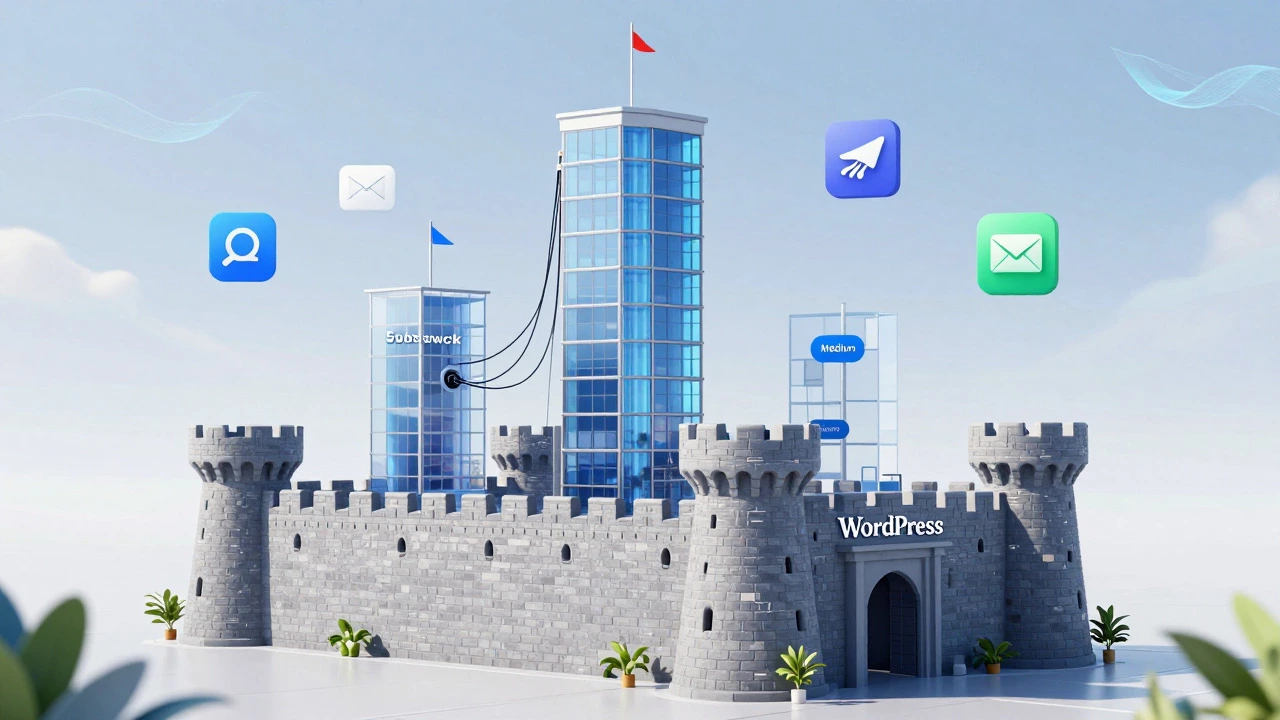
Your choice of platform affects your ability to monetize. Not all blogging platforms are created equal when it comes to making money. Let’s compare the top options available in 2026.
| Platform | Ownership | Monetization Flexibility | Technical Skill Required | Best For |
|---|---|---|---|---|
| WordPress.org (Self-hosted WordPress) | Full ownership | Unlimited (ads, affiliates, products) | Medium | Serious entrepreneurs and businesses |
| Substack (Email-first newsletter platform) | Shared (platform controls distribution) | High for subscriptions, limited for ads | Low | Writers focusing on paid newsletters |
| Medium (Social publishing platform) | None (platform owns content) | Very limited (Partner Program only) | Low | Building initial audience, not long-term income |
| Squarespace (All-in-one website builder) | Full ownership | Good (integrates with e-commerce) | Low | Creatives and small businesses wanting design ease |
WordPress.org is the open-source software powering over 40% of the web. It gives you complete control. You can install any plugin, add any ad network, and sell any type of product. The downside is you must manage hosting, security, and updates. It requires a bit of learning, but it’s the best foundation for a scalable business.
Substack has exploded in popularity because it combines blogging with email newsletters. If your goal is to build a loyal audience that pays directly for your words, Substack is excellent. However, you have little control over SEO or branding. You are renting space on their platform.
Medium is great for reaching an existing audience, but it’s poor for building an asset. Medium’s Partner Program pays based on reading time, which can be unpredictable. Plus, you don’t own your audience list. If Medium shuts down, you lose everything.
SEO in the Age of AI
Search Engine Optimization (SEO) is no longer about stuffing keywords into text. In 2026, SEO is about satisfying user intent faster and better than anyone else. Google’s AI Overviews provide quick answers to simple questions. Your blog needs to go beyond that.
If someone searches for "best running shoes," Google’s AI might list three top picks. Your article should offer a detailed comparison, including real-world testing data, durability reviews after six months, and specific advice for different foot types. This depth creates value that AI summaries cannot replace.
Focus on long-tail keywords-specific phrases with lower search volume but higher intent. Instead of targeting "coffee recipes," target "how to make cold brew coffee concentrate without a machine." These queries indicate a reader ready to act or buy. Use tools like Ahrefs or SEMrush to find these opportunities.
Also, optimize for featured snippets. Structuring your content with clear headings, bullet points, and concise answers helps Google pull your text into prominent positions. This drives consistent traffic even if you aren’t ranked #1 overall.
Building an Email List: Your Most Valuable Asset
In 2026, social media algorithms change daily. One day your post reaches thousands; the next, zero. Search engine rankings fluctuate. The only thing you truly own is your email list.
An email subscriber is a warm lead. They’ve chosen to hear from you. When you launch a new product or share an affiliate deal, your email list converts significantly better than social media followers. Aim to capture emails from day one. Offer a free resource-a checklist, mini-guide, or template-in exchange for their address.
Use reputable email service providers like ConvertKit or MailerLite. They integrate seamlessly with most blogging platforms. Send regular, valuable emails. Don’t just spam links. Share stories, insights, and curated resources. Build a relationship. When you ask for the sale later, they’ll say yes because they trust you.

Common Pitfalls to Avoid
Many aspiring bloggers fail because they fall into predictable traps. Avoid these mistakes to save time and frustration:
- Chasing Trends: Starting a blog on a fleeting topic ensures your content becomes obsolete quickly. Choose evergreen niches with lasting demand.
- Neglecting Design: A cluttered, slow-loading site drives visitors away. Invest in a clean, fast theme. Page speed is a ranking factor and a user experience necessity.
- Inconsistency: Publishing once a month isn’t enough. Aim for at least one high-quality post per week. Consistency builds trust with both readers and search engines.
- Ignoring Analytics: Use Google Analytics to see what works. Double down on topics that attract engaged readers. Cut those that don’t.
- Expecting Quick Results: Blogging is a marathon. It typically takes 6-12 months to see meaningful traffic and income. Patience is non-negotiable.
Is It Worth It?
Blogging is profitable in 2026 if you approach it strategically. It’s not a get-rich-quick scheme. It’s a legitimate business model that rewards consistency, quality, and audience connection. The platforms exist, the tools are accessible, and the audiences are hungry for genuine expertise.
If you’re passionate about a topic and willing to learn the basics of SEO, copywriting, and digital marketing, blogging offers unparalleled freedom and income potential. Start with a self-hosted WordPress site, pick a niche you love, and commit to providing real value. The profits will follow.
How much money can I realistically make from a blog in 2026?
Income varies widely. New blogs often earn $0-$100/month in the first year. Established blogs with 10,000+ monthly visitors can earn $500-$2,000/month. Top-tier blogs in lucrative niches (finance, tech) can earn $5,000-$50,000+/month. Success depends on traffic quality, monetization strategy, and niche profitability.
Do I need technical skills to start a profitable blog?
Not advanced coding skills. Self-hosted WordPress requires basic setup knowledge, but many managed hosts simplify this. Platforms like Squarespace or Substack require almost no technical skill. However, understanding basic SEO, analytics, and email marketing is essential for profitability.
Can AI replace human bloggers?
AI can generate content, but it lacks unique experience and emotional connection. In 2026, readers and search engines value human perspective. Use AI as a tool for research and editing, but ensure your voice and insights remain central. Purely AI-written blogs struggle to build loyal audiences.
What is the best blogging platform for beginners?
For long-term profitability, WordPress.org is the best choice despite a slight learning curve. It offers full ownership and scalability. For absolute ease, Substack is great if you focus on newsletters. Avoid free platforms like Blogger or Wix for serious monetization goals due to limitations.
How long does it take to make money from a blog?
Most bloggers see their first earnings within 6-12 months of consistent publishing. Building substantial income ($1,000+/month) typically takes 1-2 years. Speed depends on niche competitiveness, content quality, and marketing efforts. Patience and persistence are critical.